Overview
The wallet supported purchases with credit/debit cards, token swaps, NFT creation and management, DeFi investments, and decentralized app connections.
By leveraging Layer 2, Numio processed up to ~2,000 transactions per second at dramatically reduced fees.
I owned the full mobile experience from onboarding through wallets, trading, explore, DeFi, NFTs, and rewards.
Backed by



THE OPPORTUNITY
Layer 2 scaling through zkRollups had made Ethereum cheaper and dramatically faster — but the user experience was still confusing and intimidating.
The Problem
Ethereum and crypto wallets are notoriously difficult, presenting several barriers for new users. Competitive analysis and early research highlighted key usability challenges:
Ethereum’s base layer processes ~15 transactions per second, often resulting in costly gas fees.
Users must understand seed phrases, backups, and security before using the app.
Users need a clear interface to understand and transfer assets between layers.
Non-custodial wallets must remain secure while still accessible for everyday users.
THE GOAL
Design a wallet experience that makes Ethereum significantly easier and cheaper to use for everyday people, while clearly communicating Layer 1 vs Layer 2 concepts and maintaining true non-custodial security.
Challenges
To address these problems, the design needed to overcome three key challenges:
Translate blockchain concepts, private keys, network layers, transaction fees, and wallet recovery, into intuitive visual patterns and flows for everyday users.
Enable seamless interactions with Ethereum (Layer 1) and zkSync (Layer 2), clearly communicating: asset location by network, transfers between layers and applicable fees.
As a non-custodial wallet, users control their keys. The challenge was designing secure but understandable flows for wallet creation, seed phrase backup, account recovery, and biometric authentication.
Design Process
Research
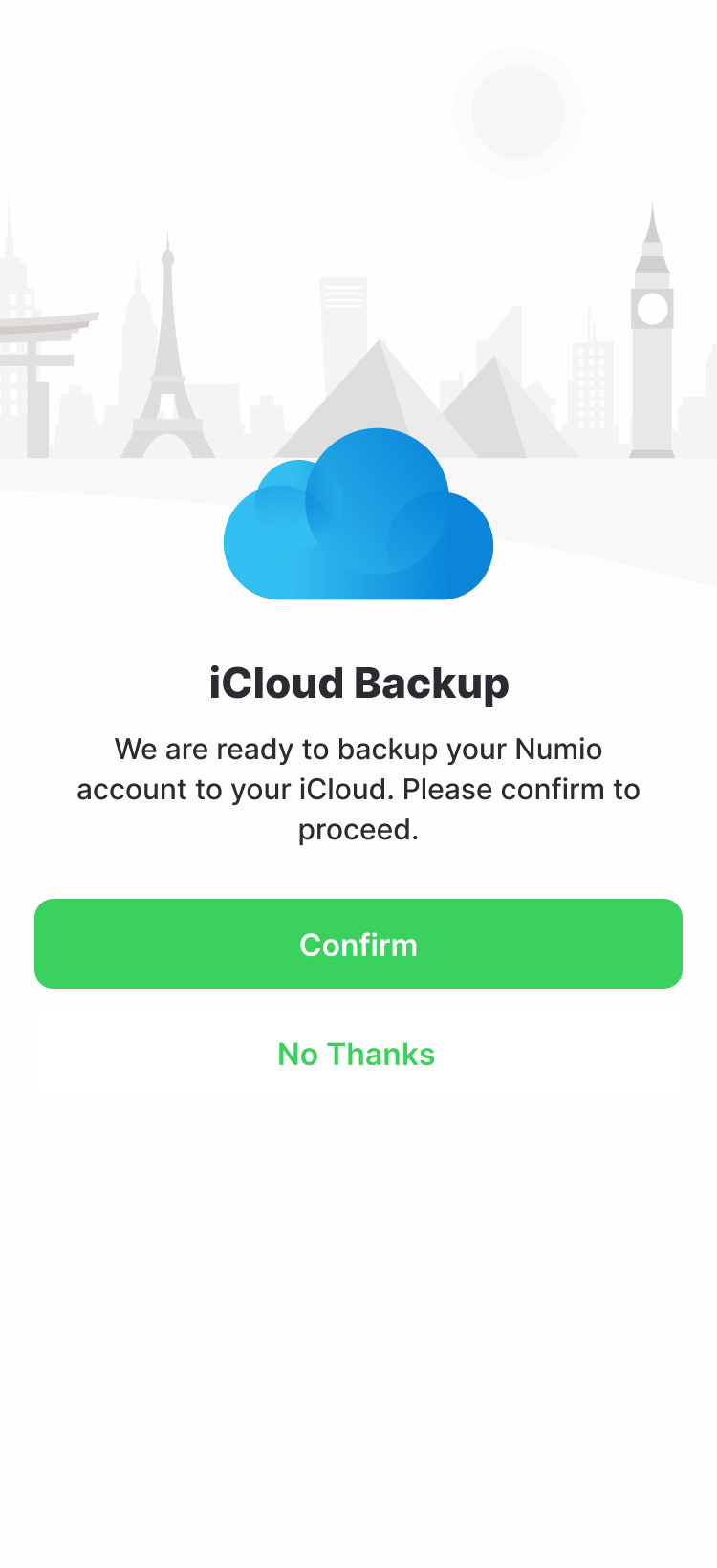
Numio was the first wallet to support seamless Layer 1 (Ethereum) and Layer 2 (zkSync) interactions. With no direct precedents available, I conducted broad competitive research across leading crypto wallets, DeFi platforms, and traditional fintech apps to identify intuitive interaction patterns and uncover common friction points in onboarding, asset visibility, and network navigation. Seed phrase recovery was a consistent pain point across every wallet reviewed. This led to designing iCloud and Google backup as an alternative, allowing users to skip manual seed phrase storage entirely and use Face ID to access their secured backup instead.
Common Patterns Observed
Most successful wallets (ie. Argent) used simple dashboard layouts with clear balance visibility and quick action buttons.
Key Pain Points
Complex onboarding and poor seed phrase recovery UX were consistent friction points across every competitor reviewed.
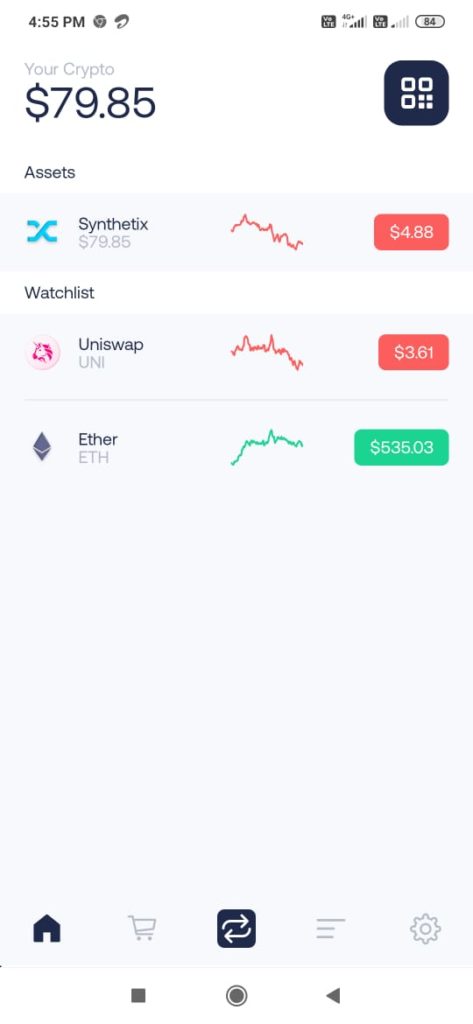
Dharam - DeFi Investing
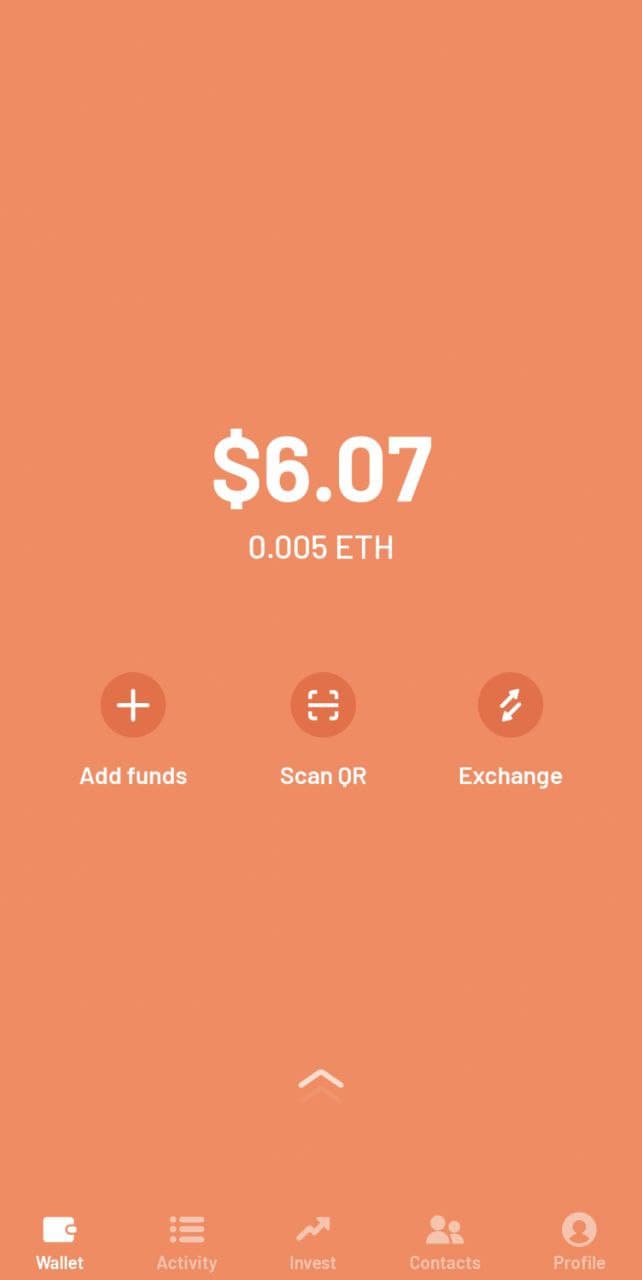
Argent Wallet
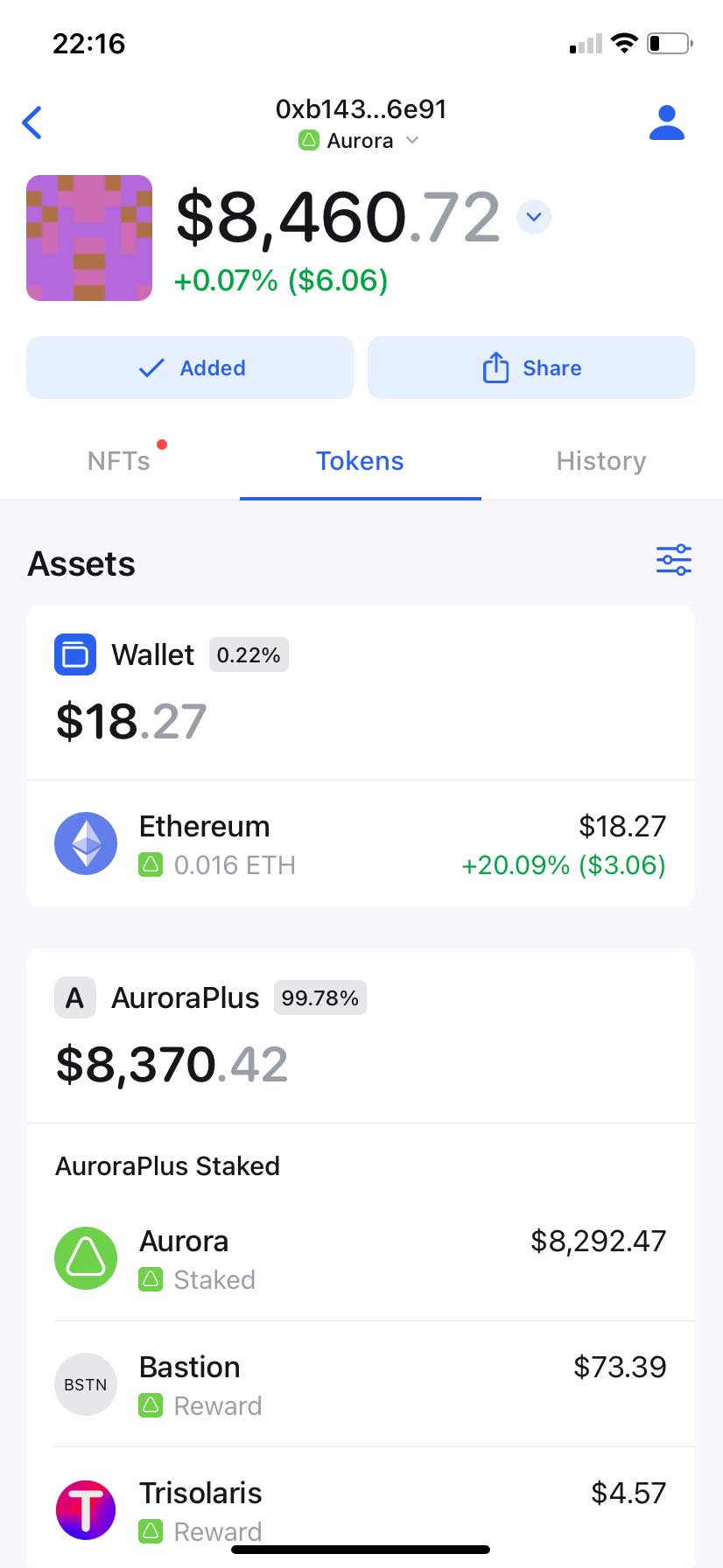
Zerion: Crypto Wallet
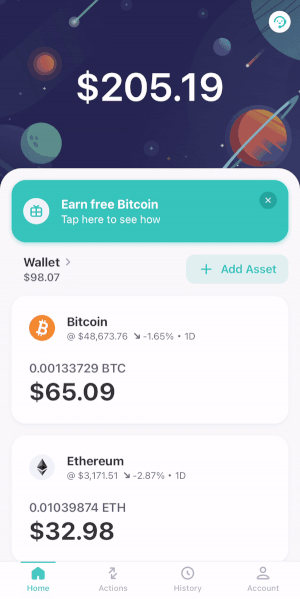
Zengo: Crypto & Bitcoin Wallet
Constraints
Designing a Layer-2 wallet introduced several product constraints. The design had to account for mobile screen limitations, rapidly evolving zkRollup technology that was still maturing mid-build, and tight shipping timelines across 40+ releases.
Ideation
After research and defining the core challenges, I explored multiple design directions through wireframes, low-fidelity and hi-fidelity mockups.
Key focus areas included simplifying Layer 1 vs Layer 2 navigation, making onboarding less intimidating, and creating a cleaner dashboard that clearly communicated asset locations and total balances.
Initial concepts were hypothesis-driven and later refined through user feedback and iteration.
Iteration
The product went through 40+ releases. Here are three of the most impactful design improvements I led based on user feedback, internal testing, stakeholder input, product requirements, and engineering constraint. Drag the slider to compare before and after.
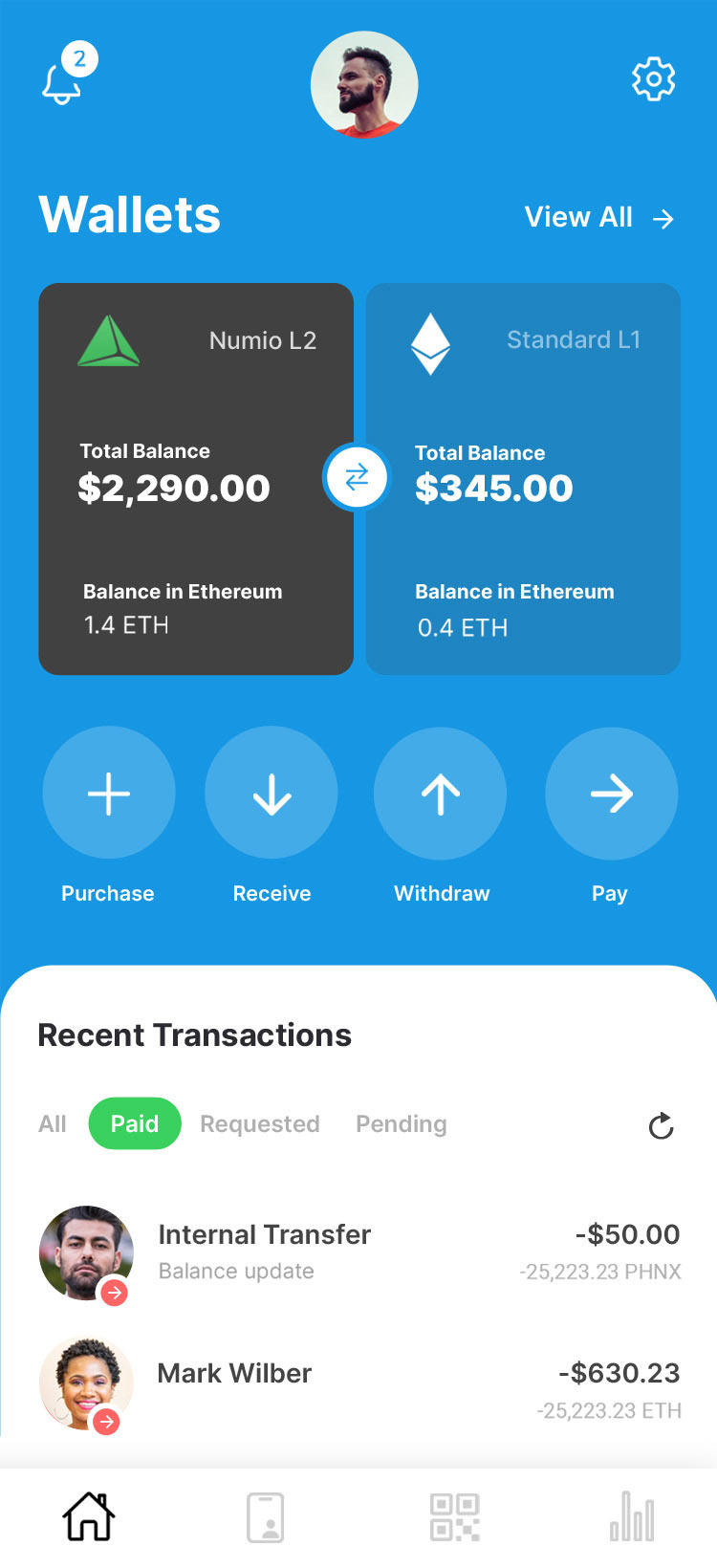
Wallet Dashboard
Problem
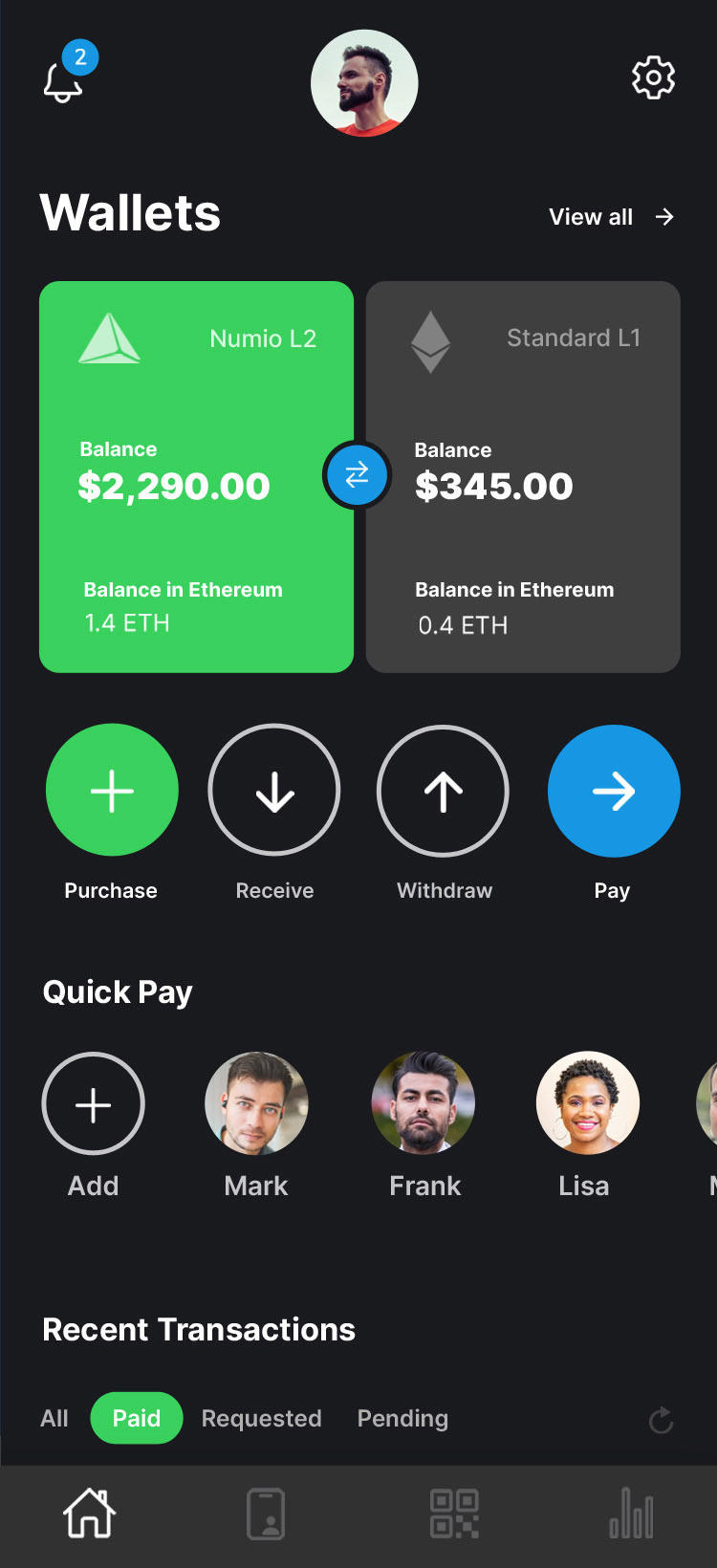
Splitting Layer 1 and Layer 2 into separate cards confused users about their total balance and asset location.
Solution
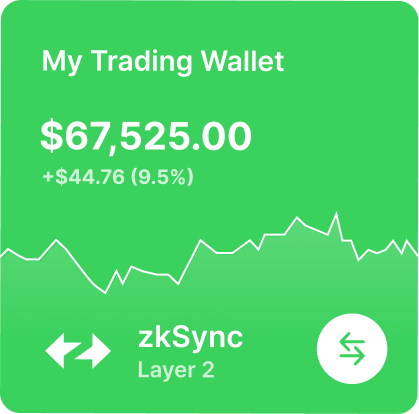
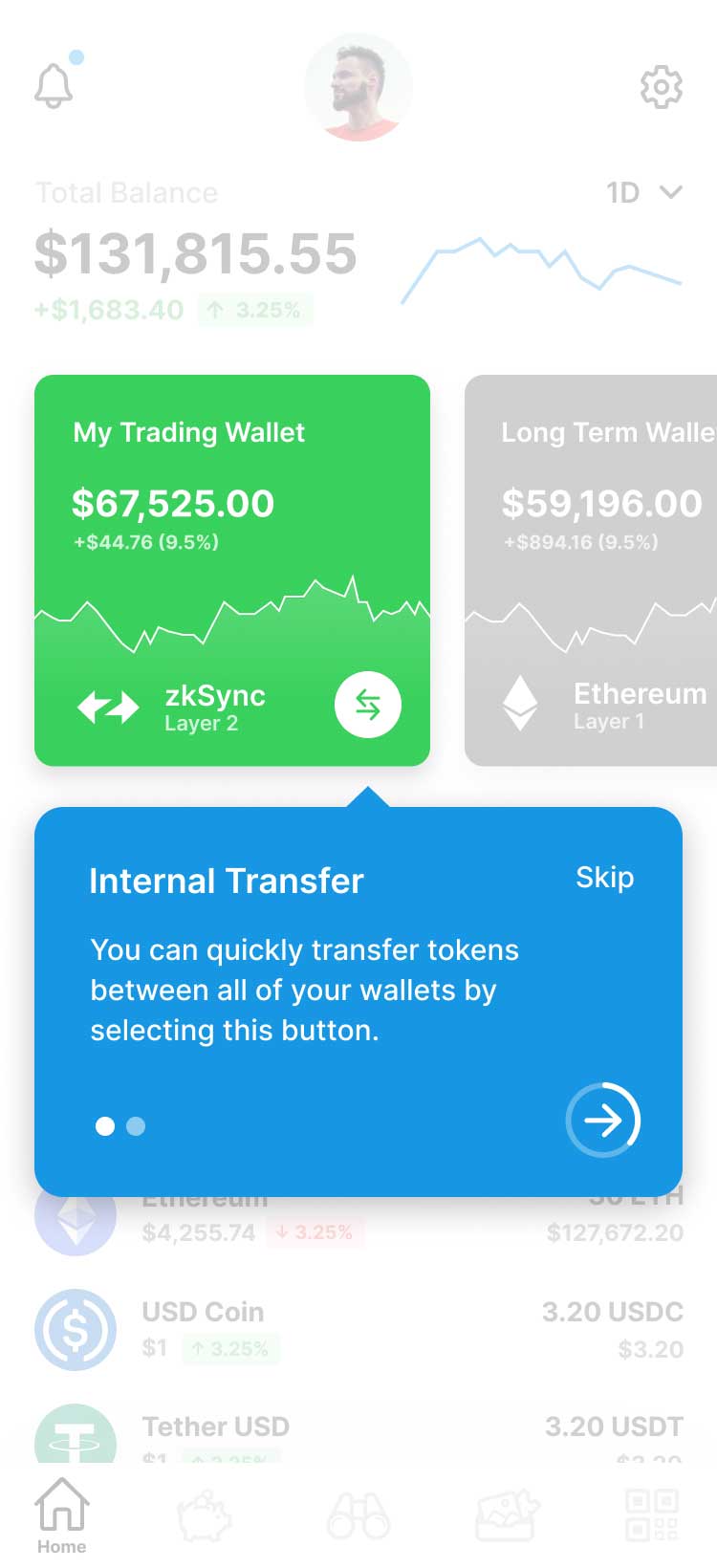
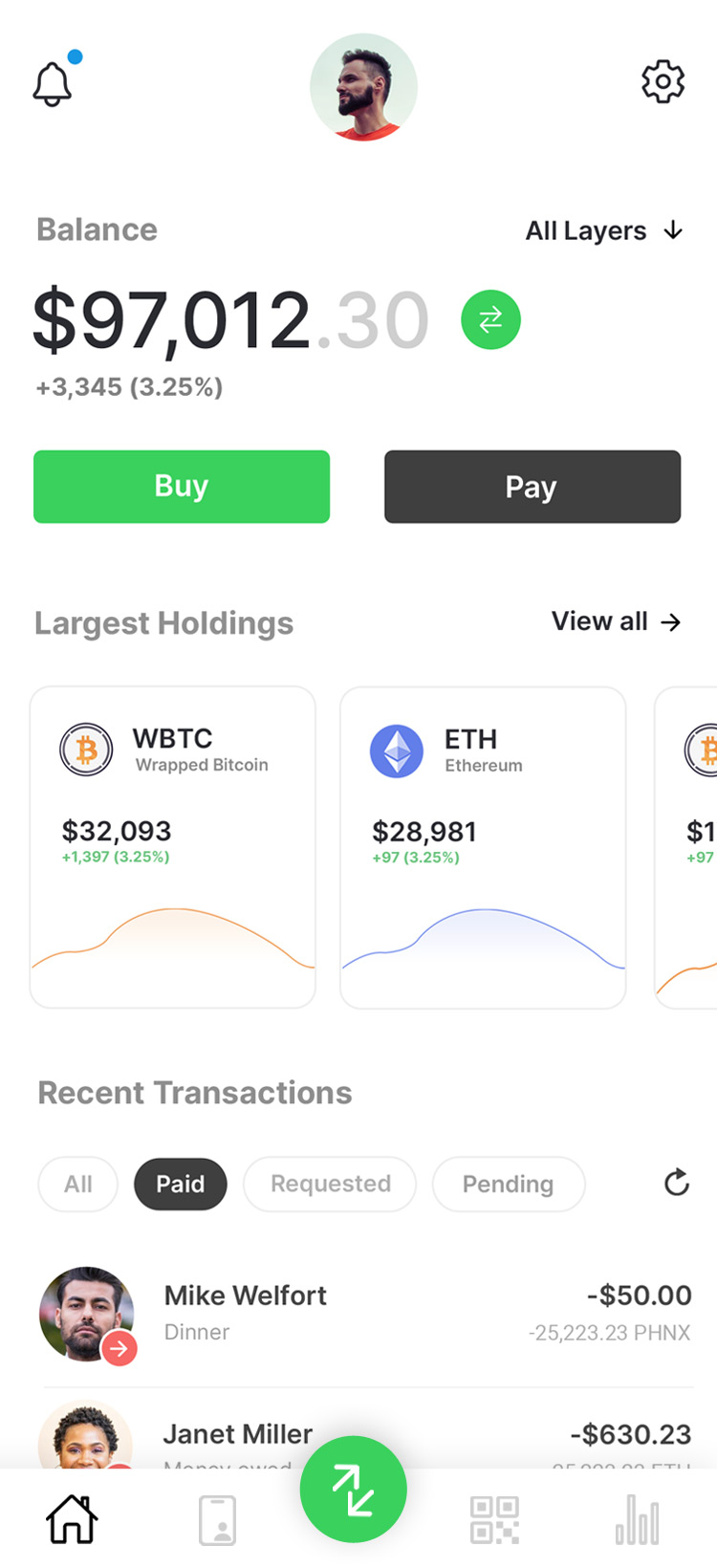
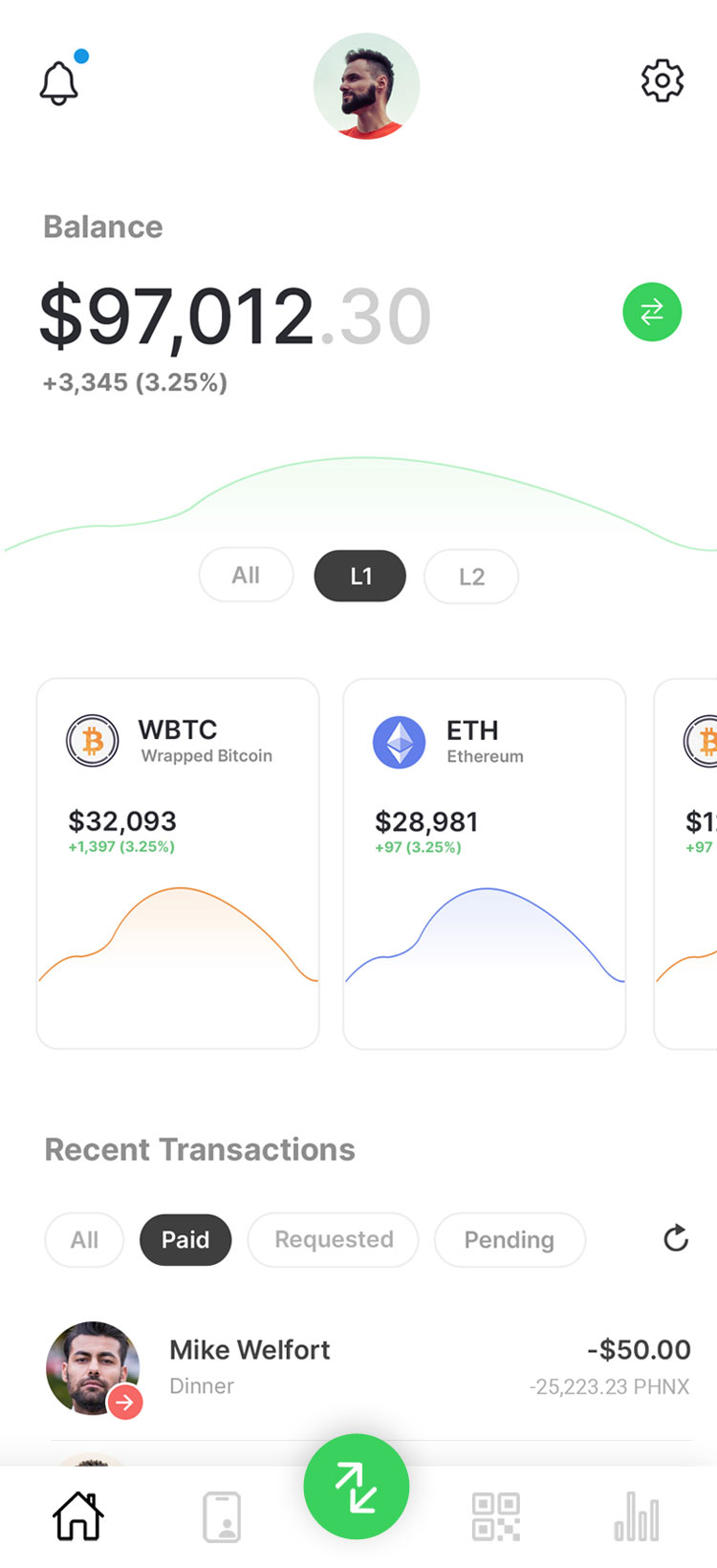
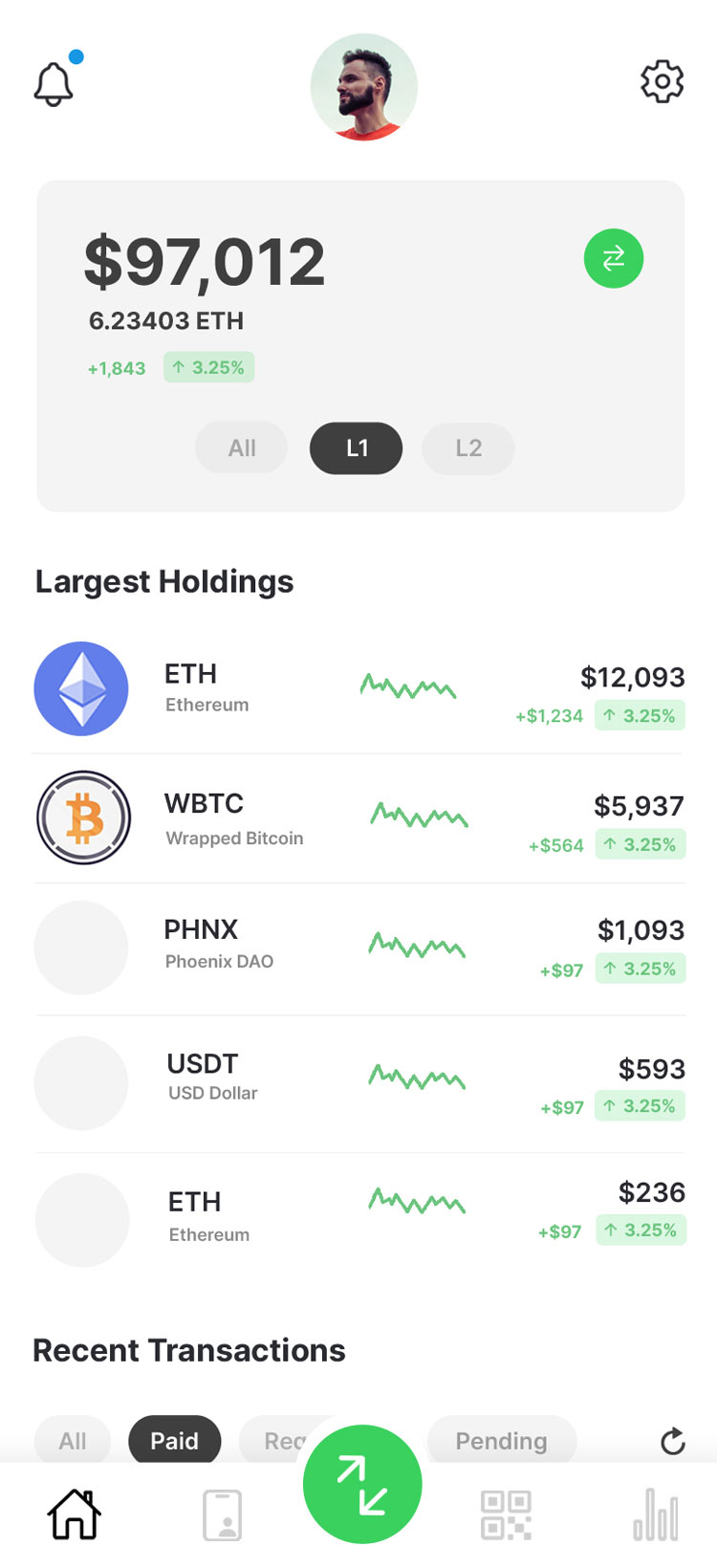
Showed each wallet individually with clear layer labels, added a unified total balance at the top, and placed direct swap buttons on every wallet for simpler transfers.
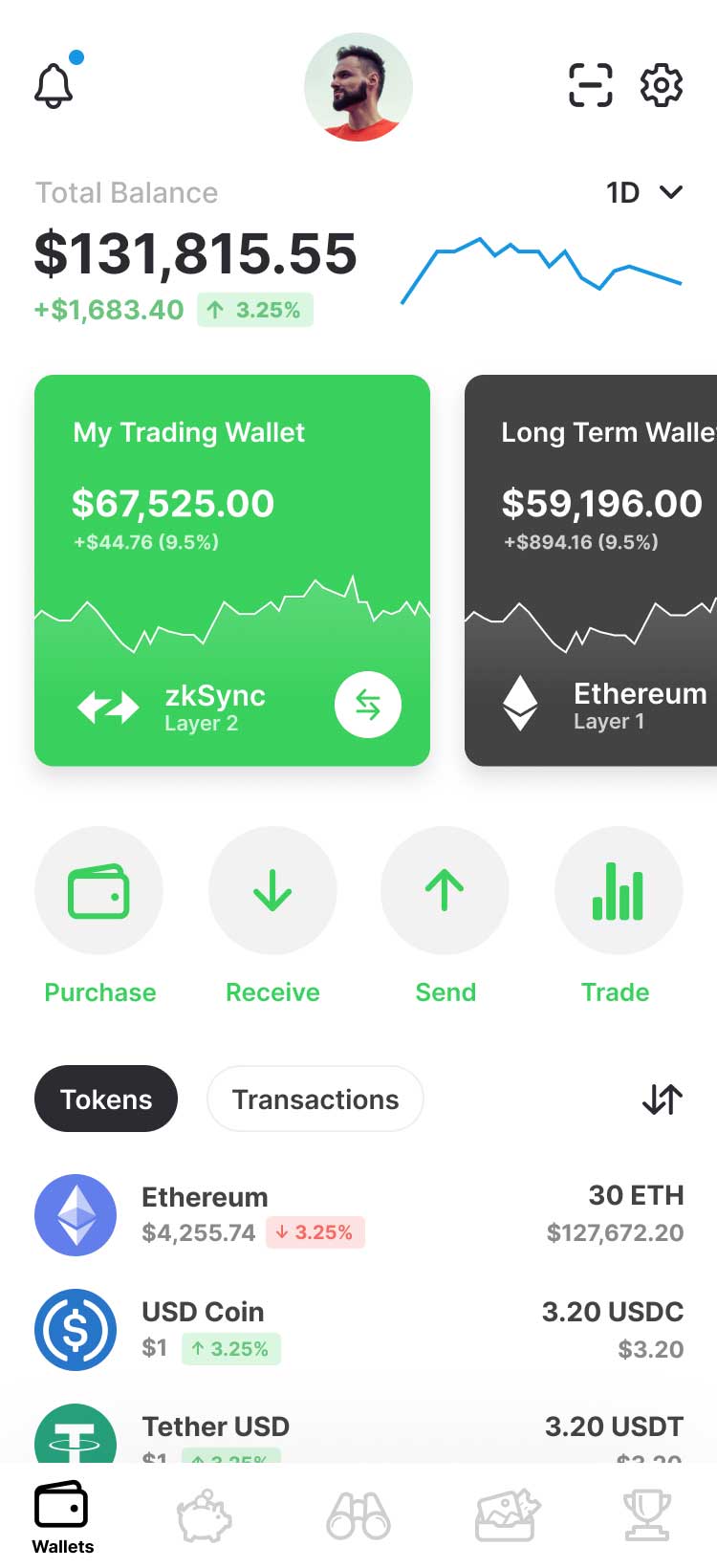
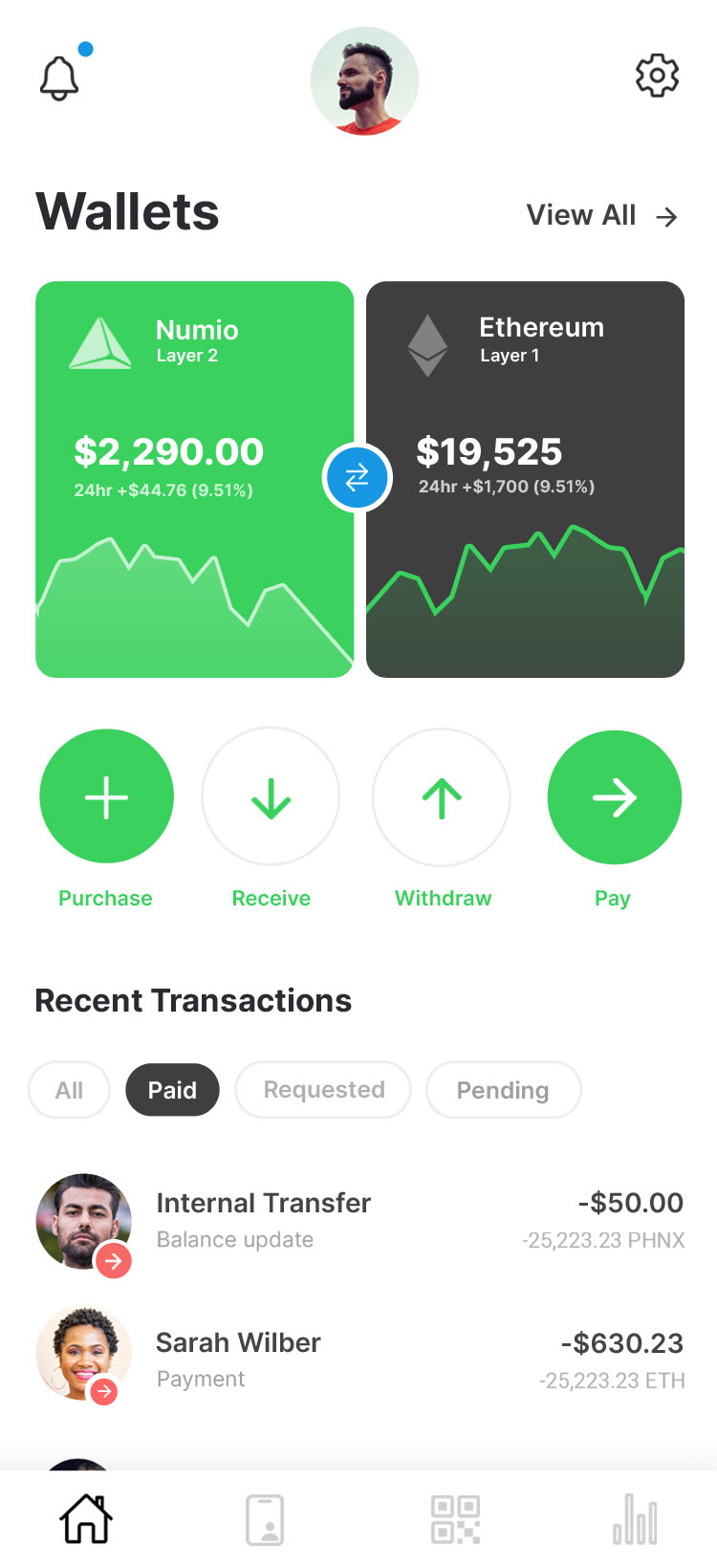
Before and After
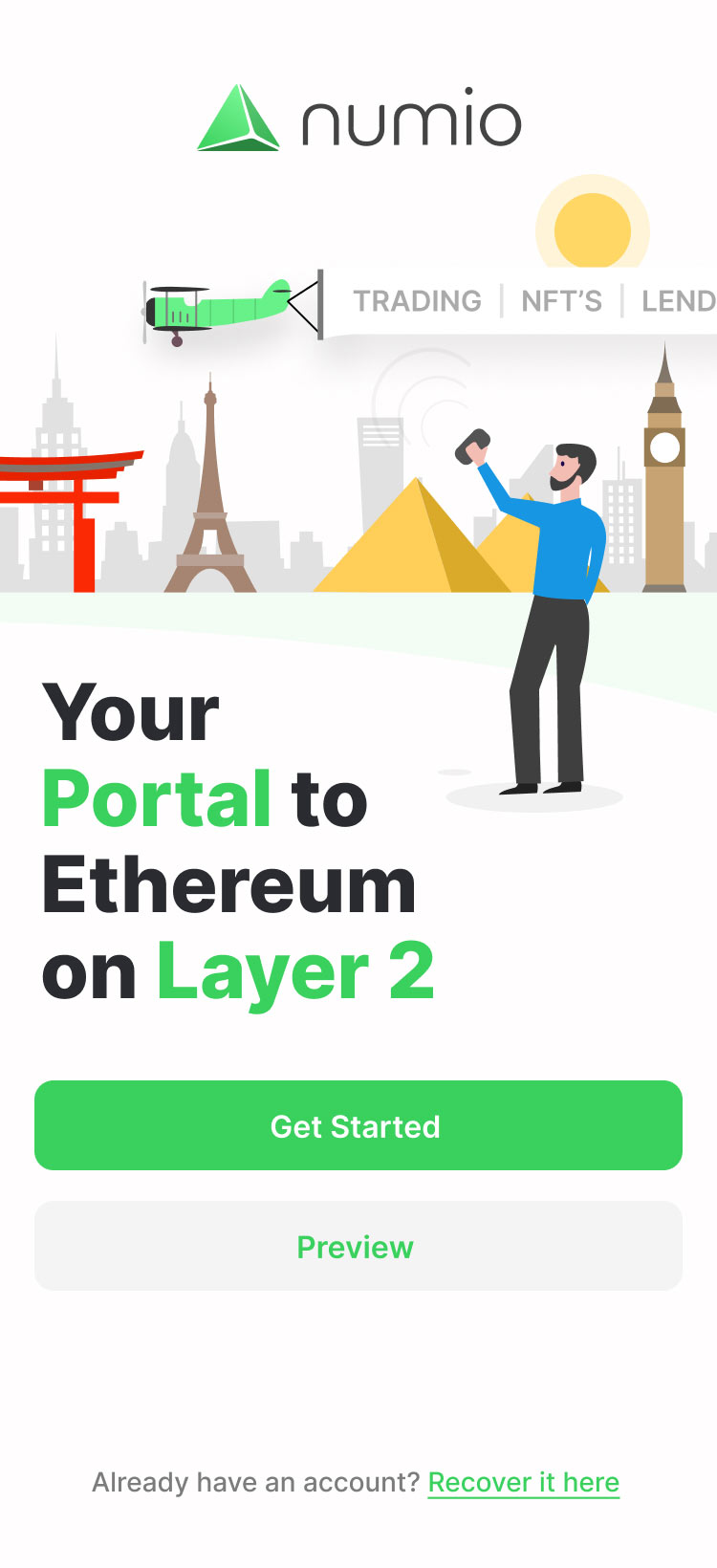
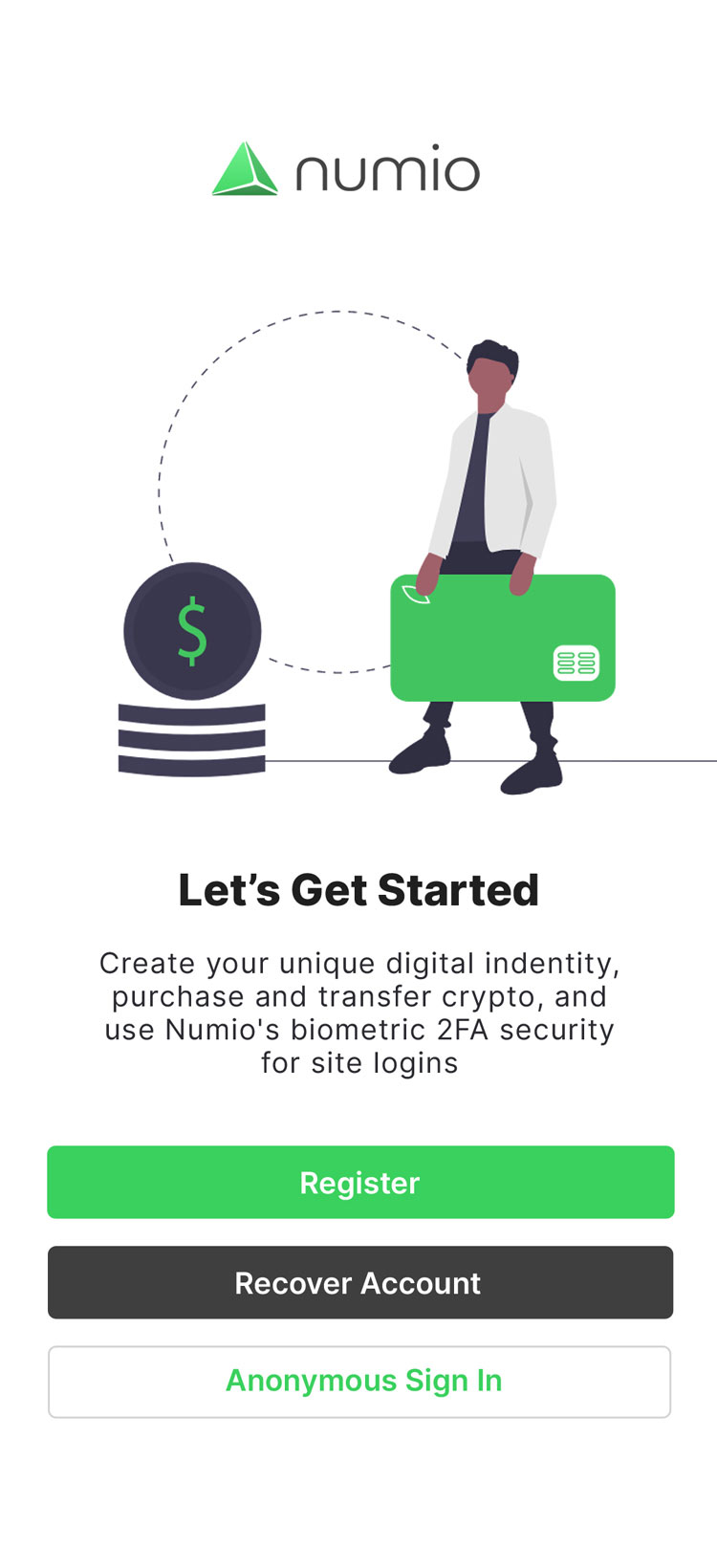
Onboarding
Problem
The original flow felt clunky and invasive, requiring a phone number with no option to preview the app.
Solution
Added a “Preview App” option, removed mandatory phone number for better privacy, and applied KYC only when users wanted to purchase crypto.
Before and After
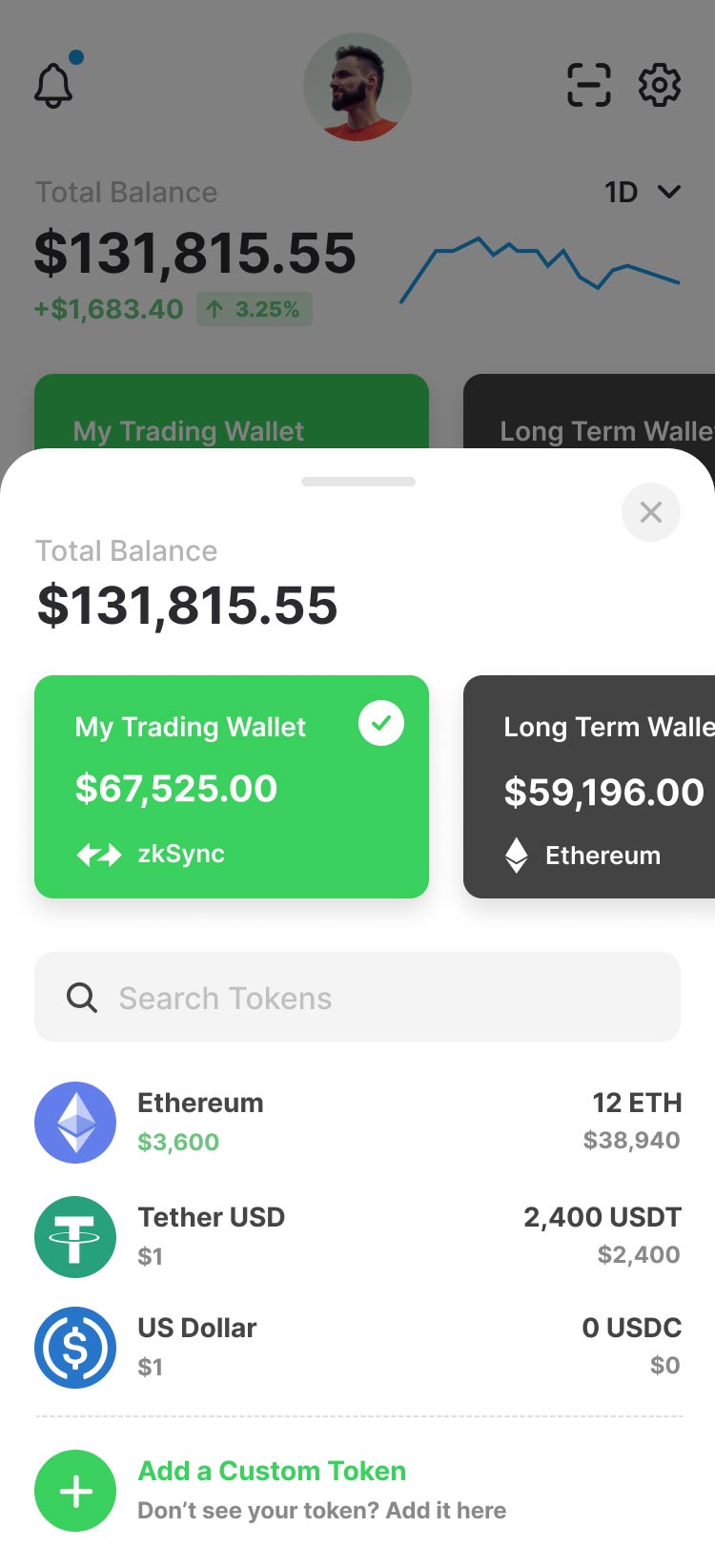
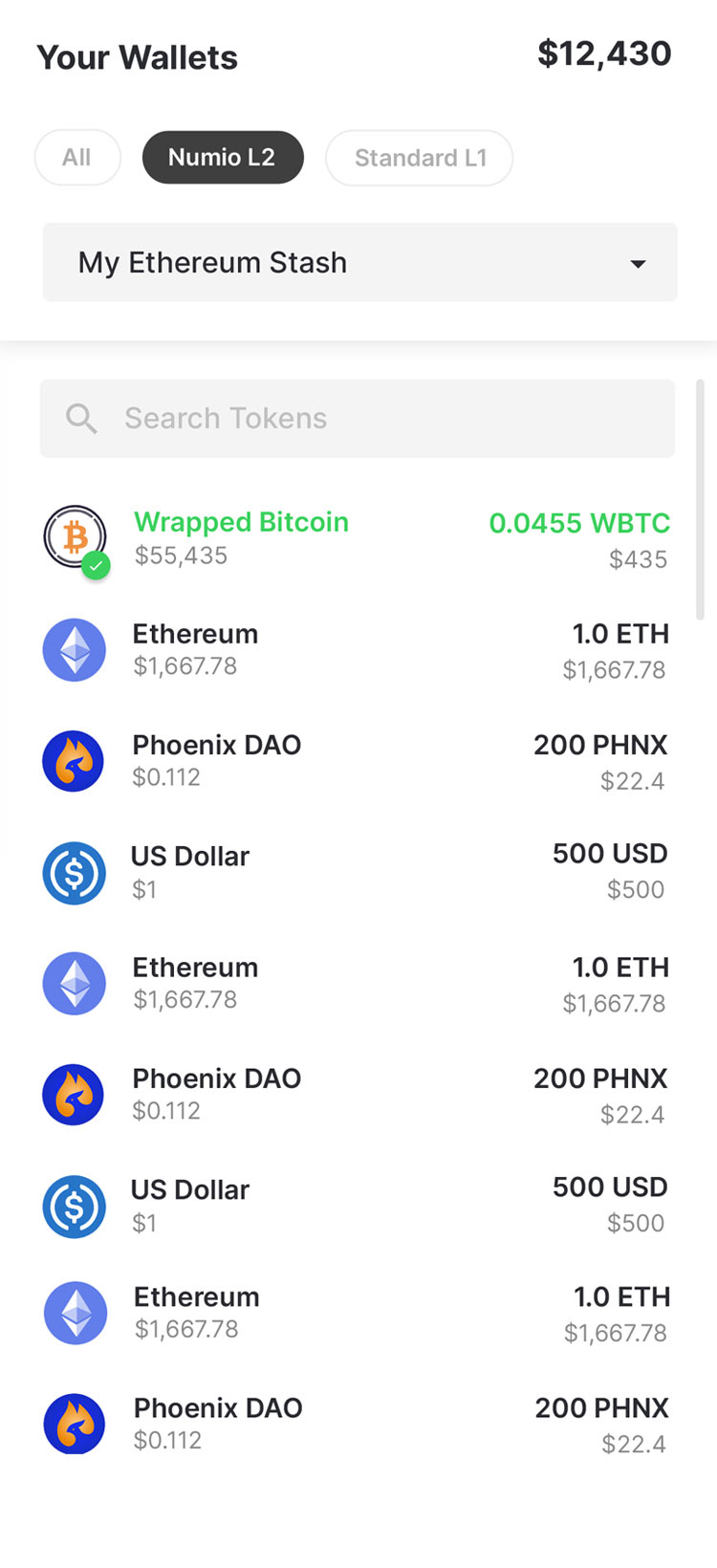
Token Selector
Problem
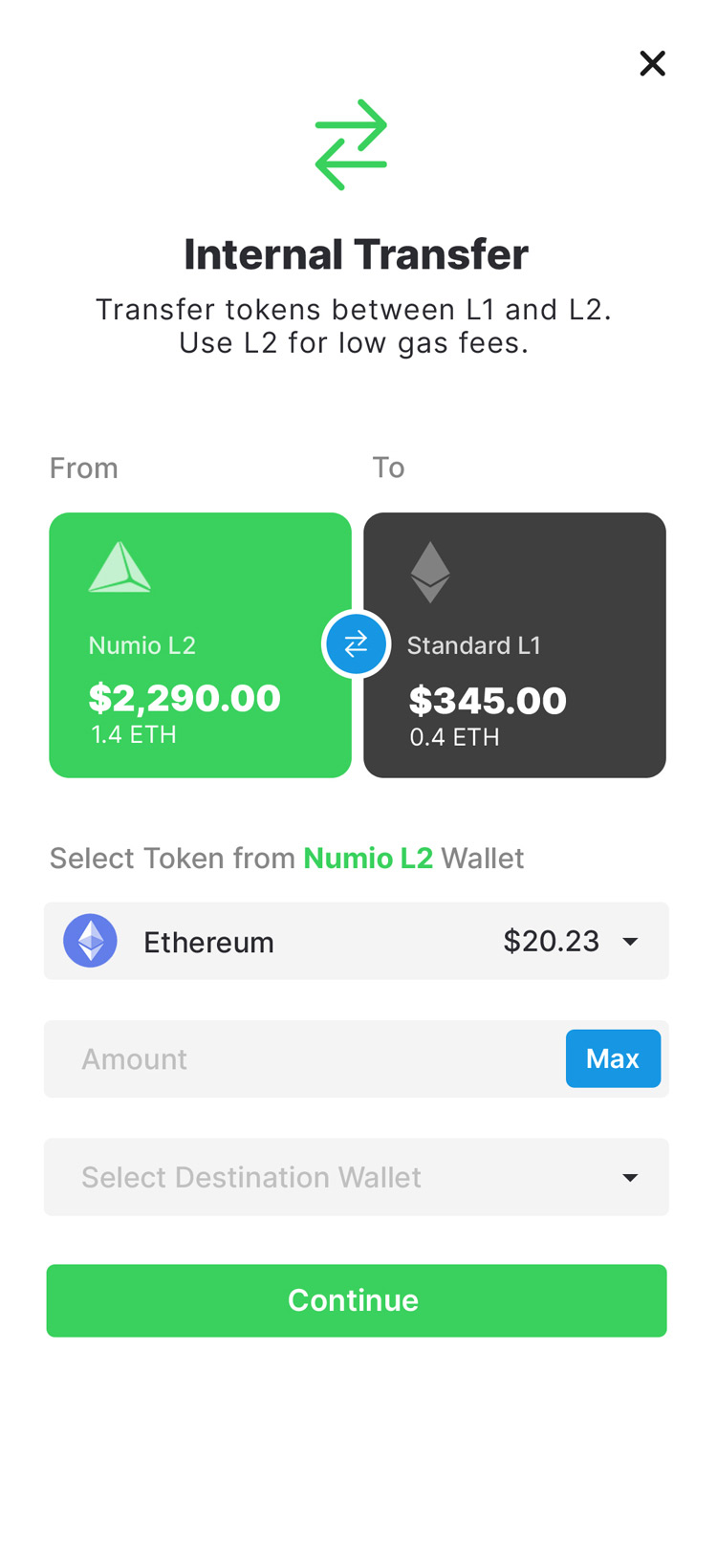
After removing the Layer 1/Layer 2 cards, the old token selector no longer matched the new design and made wallet navigation confusing.
Solution
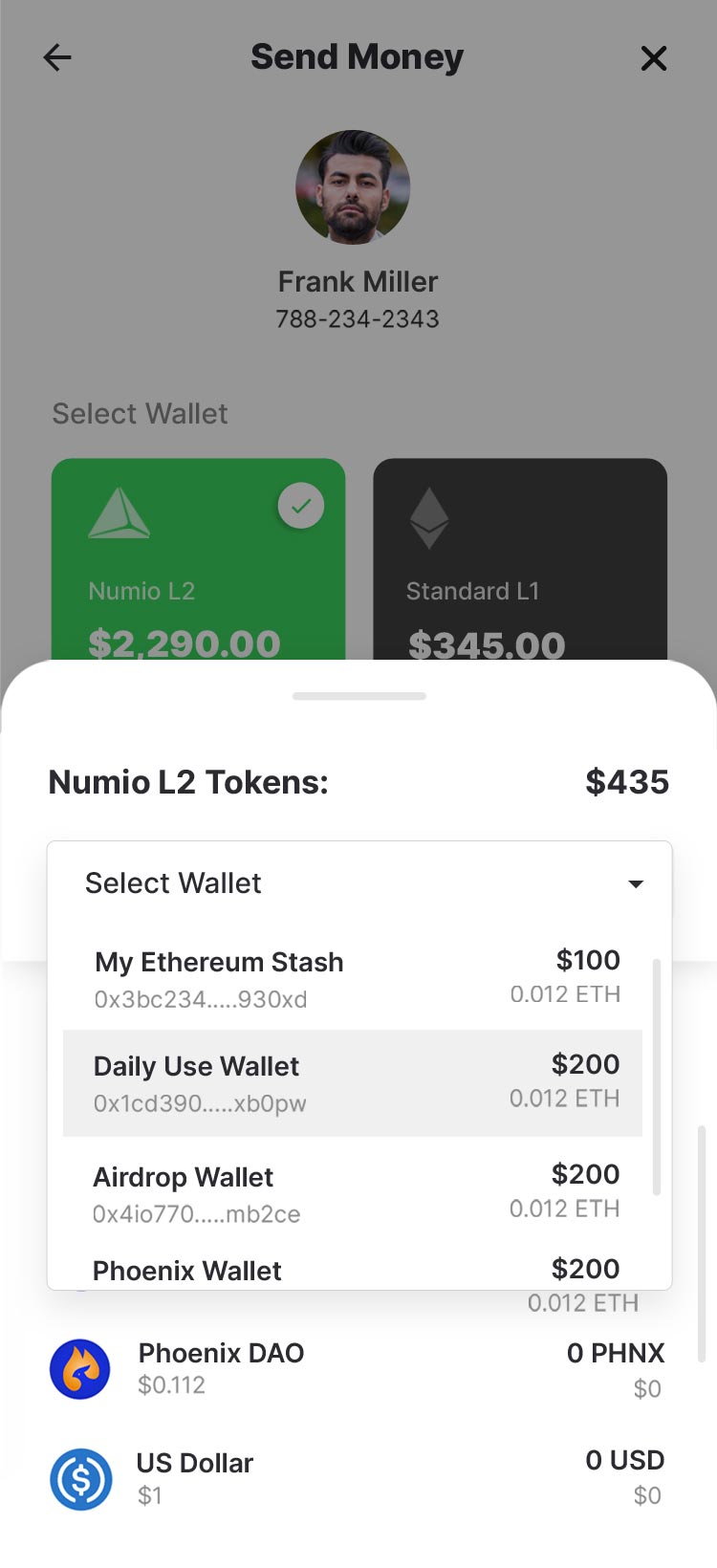
Refreshed the UI for consistency with the new dashboard, improved token search and selection, and made switching between individual wallets much more intuitive.
Before and After
The complete set of screens and components I designed
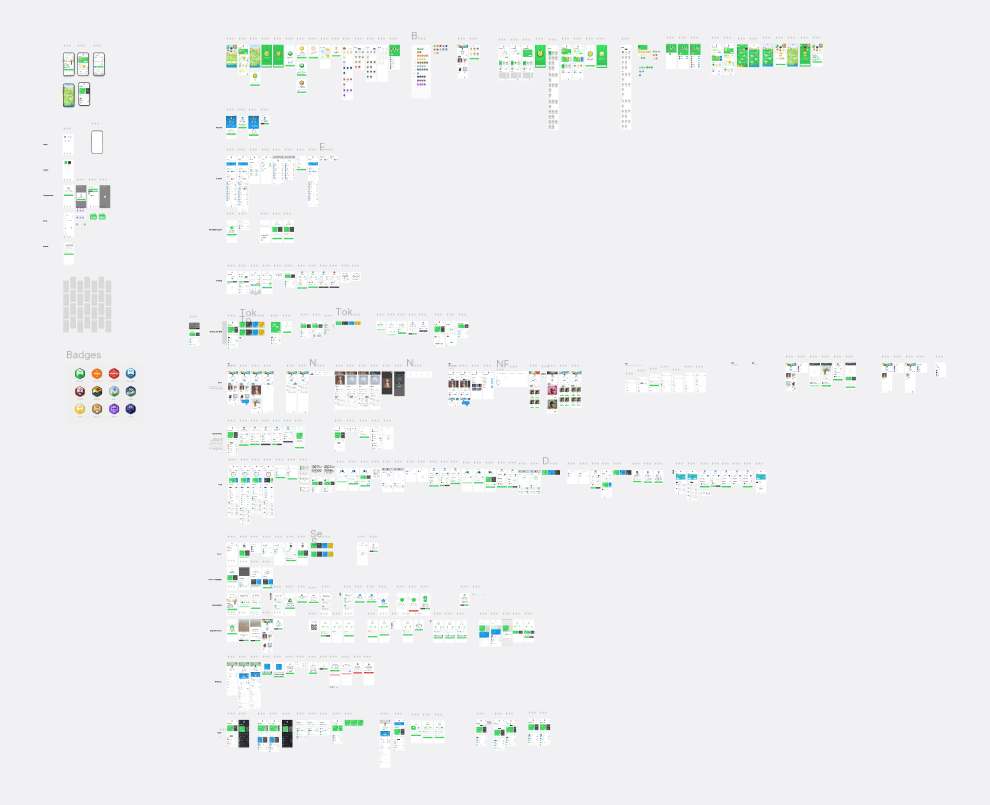
Figma file showing the full scope of 100+ screens and components
Visual Design
The visual language evolved from an earlier green-dominant dashboard concept I created to represent growth and financial performance. The final UI used green as the primary color, with blue accents to maintain strong contrast and readability. It featured modern typography for financial data, and a clean, flat style to reduce visual noise and highlight key information.
I designed a set of 10 icons and 12 gamification reward badges that align with the brand’s minimal, flat aesthetic and optimized them for excellent legibility at small sizes across the mobile app.
Color Palette
Green
#3AD15E
Gray
#3E3E3E
Blue
#1797E3
Dark Gray
#2A2B31
Icons


Badges

Grew Account %
Trader of the Week
Trader of the Month

Added to Watchlist
Own Tokens

Traded Markets

Starknet TXs

Created NFTs

Own NFTs

Sold NFTs
Polygon TXs
zkSync TXs
Collaboration
As the sole designer, I worked closely with product managers and engineers throughout development. This cross-functional collaboration was essential to deliver a polished product under tight timelines and evolving technical constraints.
Created detailed, developer-ready screens in Figma and transferred them to Zeplin with clear annotations.
Iterated designs based on product manager input, engineering constraints, and user testing results.
Worked within Trello and sprint cycles to prioritize features and align design with technical feasibility.
Reviewed built screens, provided detailed feedback, and delivered hundreds of annotated updates across 40+ releases.
Trade-offs
While I had a broader vision for several features, we had to make pragmatic decisions to ship the MVP quickly and validate the core product.
DeFi Dashboard
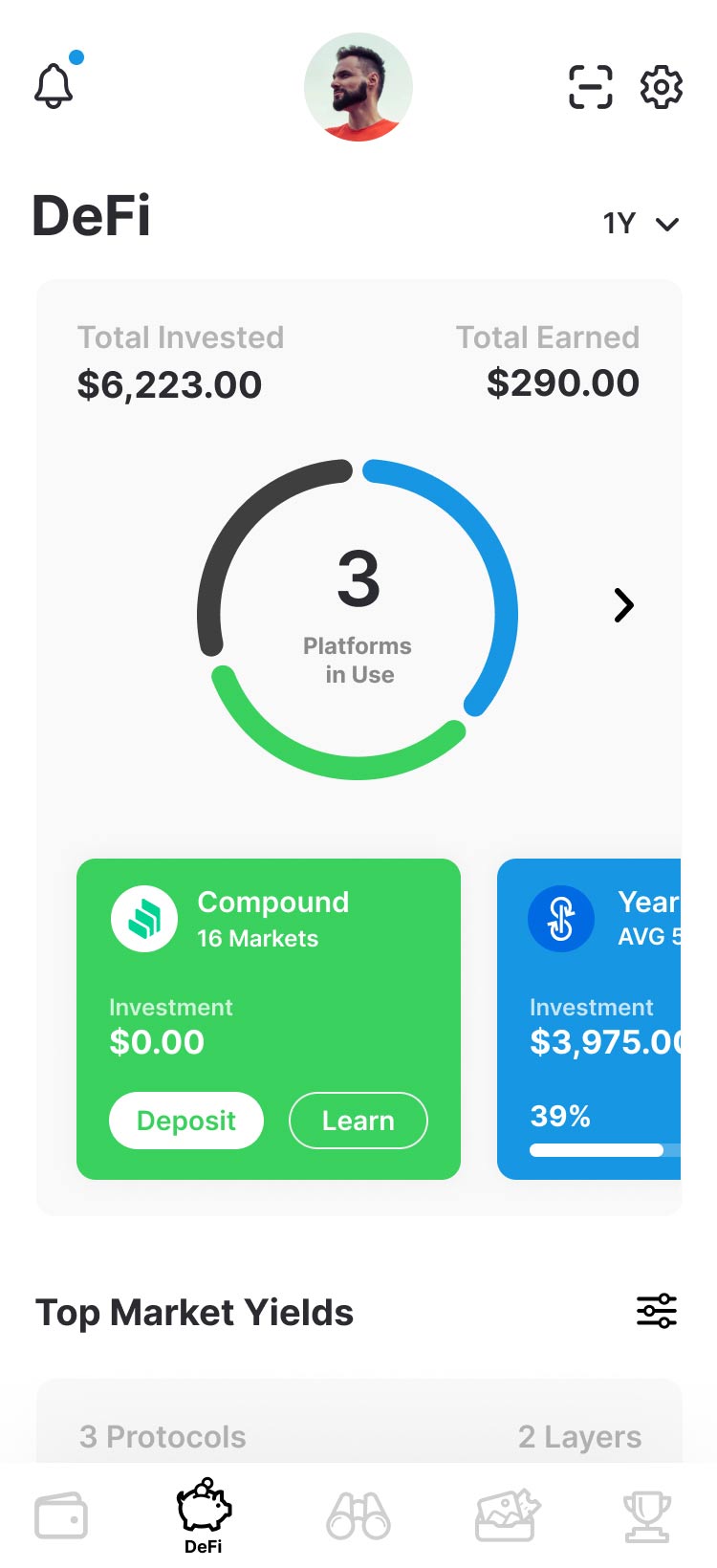
Full vision with multi-protocol support
My ideal design included support for multiple DeFi protocols, advanced filtering, yield comparisons, and better discovery features.
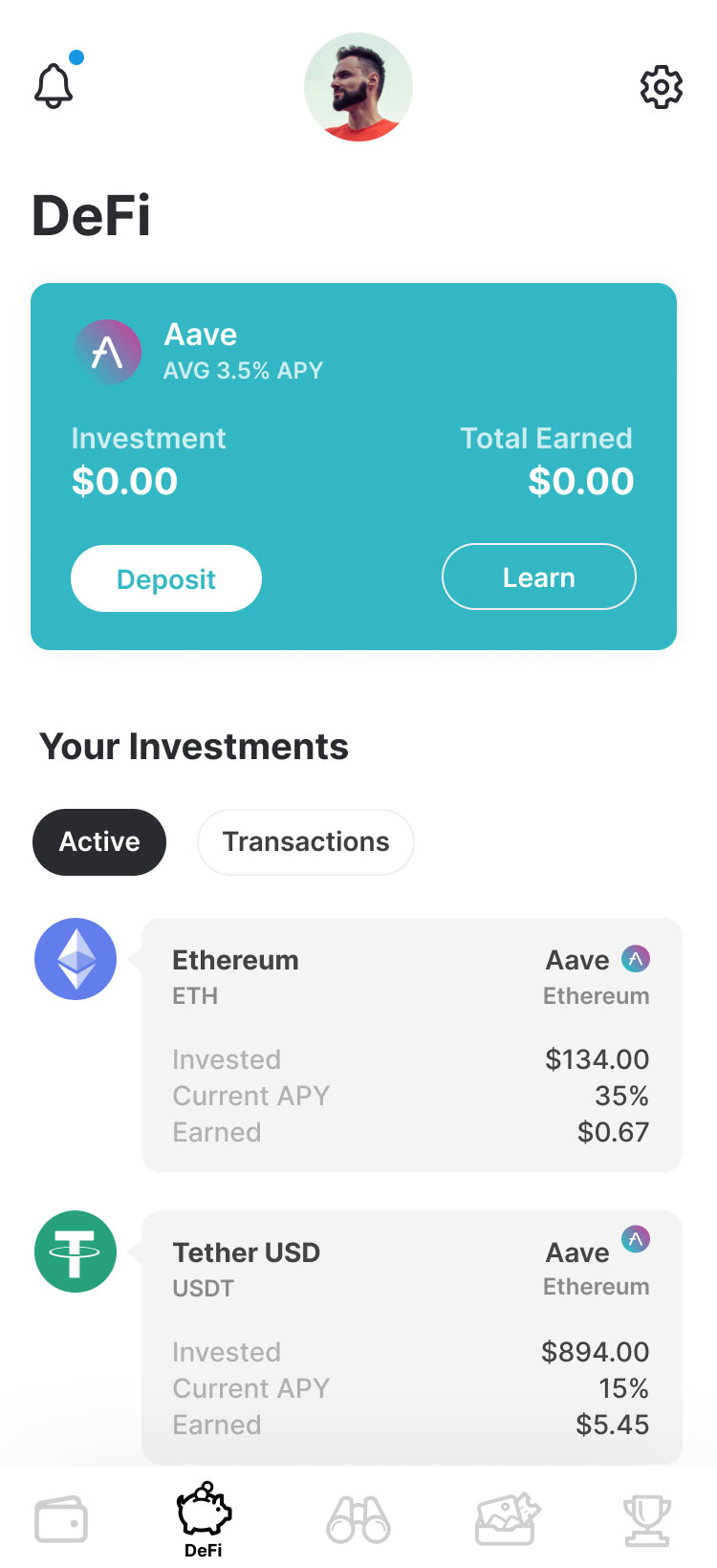
Single protocol (Aave only)
To meet tight timelines we launched with only Aave. Multi-protocol support and advanced features were deferred.
NFT Platform
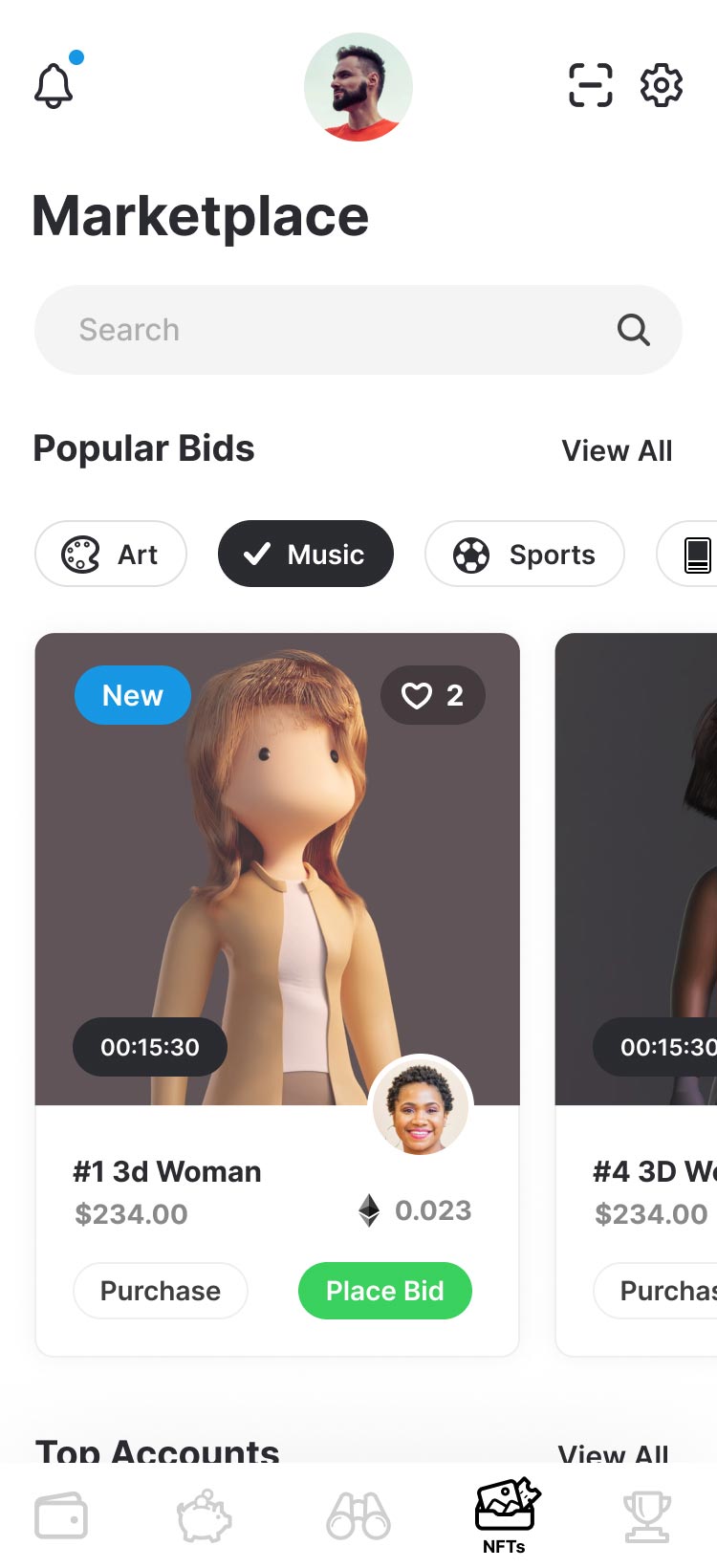
Full social network and marketplace
The original plan included a full social NFT network with browsing, liking, sharing, messaging, and in-app buying/selling of NFTs.
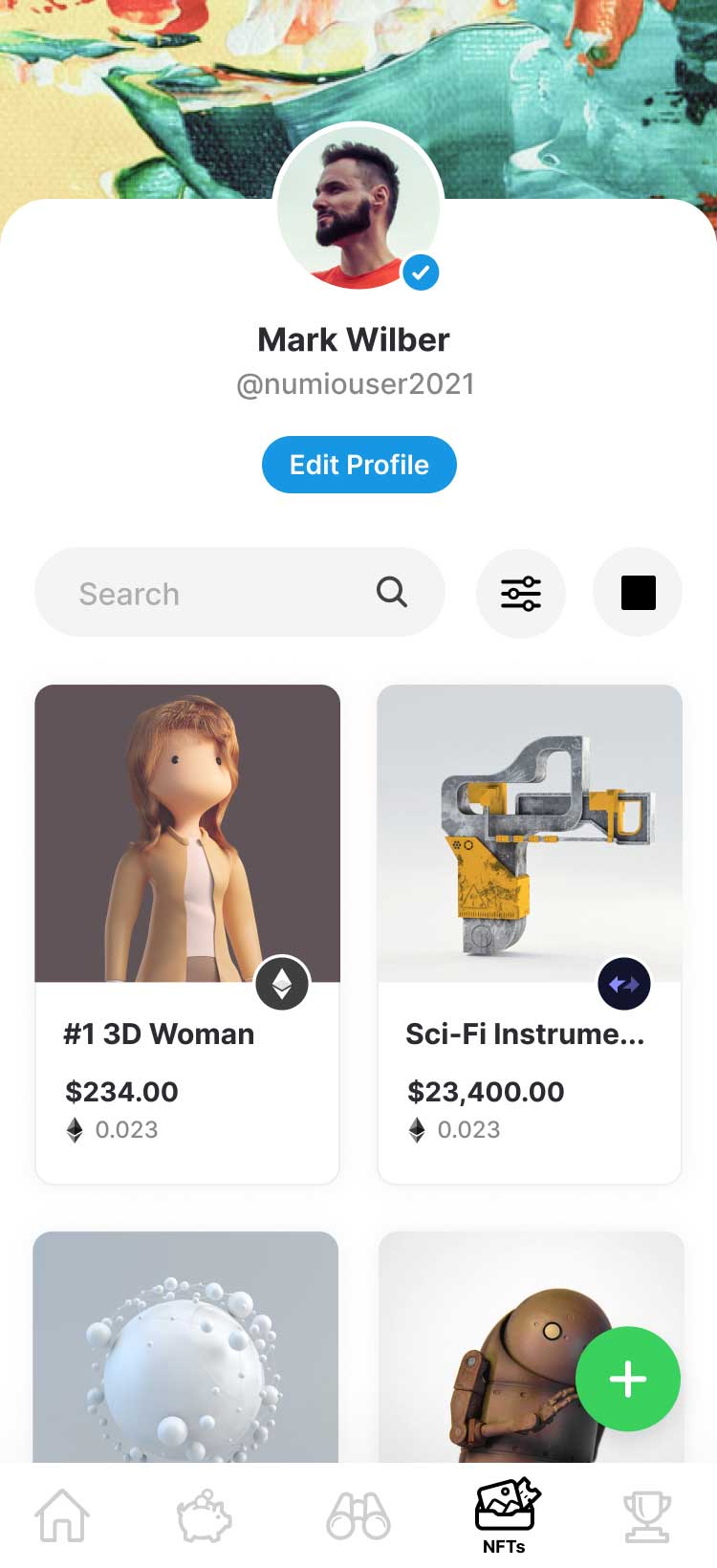
Basic gallery viewer + creator
We shipped a simpler version focused on viewing NFTs in a gallery and creating new ones via zkSync.
THE SOLUTION
I designed a mobile wallet experience that simplified onboarding, made multi-layer asset management intuitive, and reduced friction in everyday crypto interactions while maintaining non-custodial security.

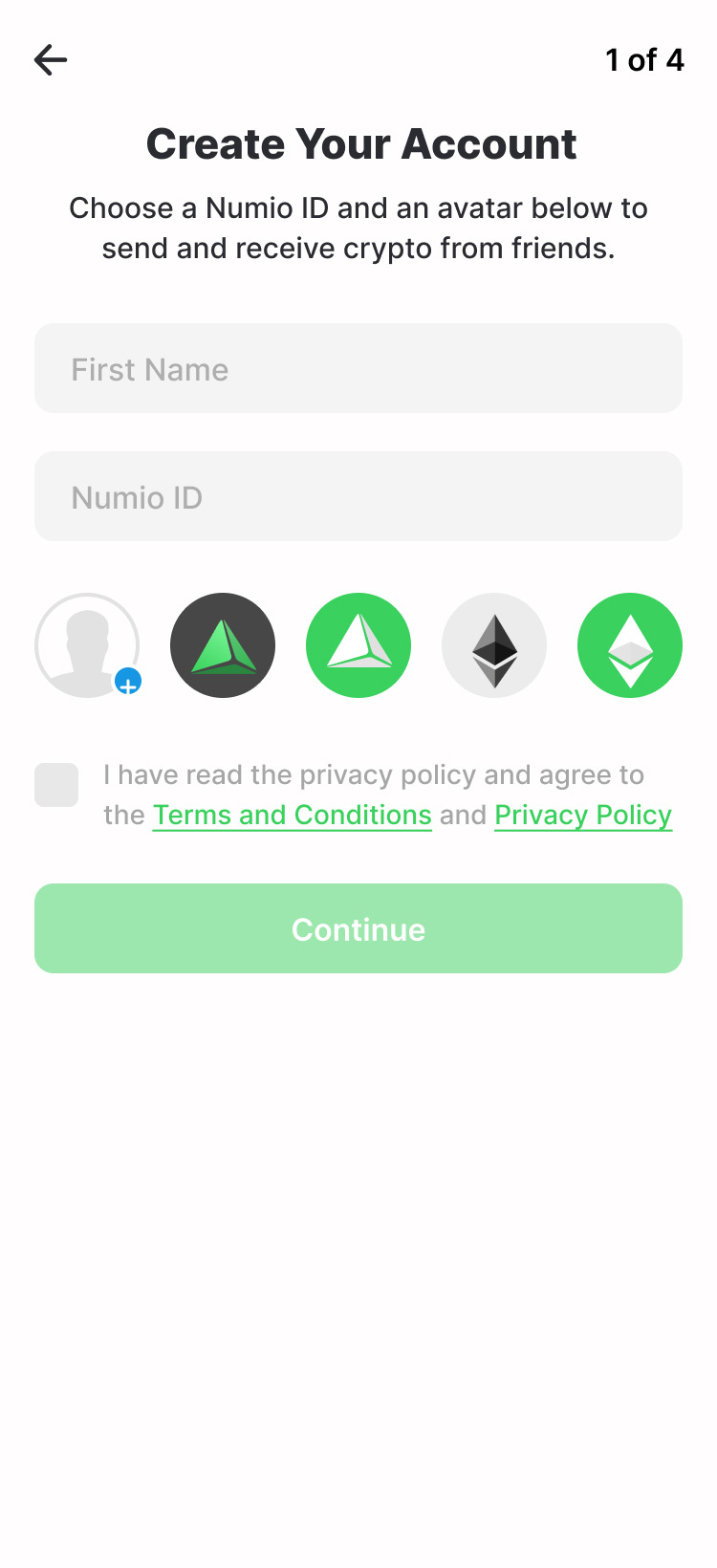
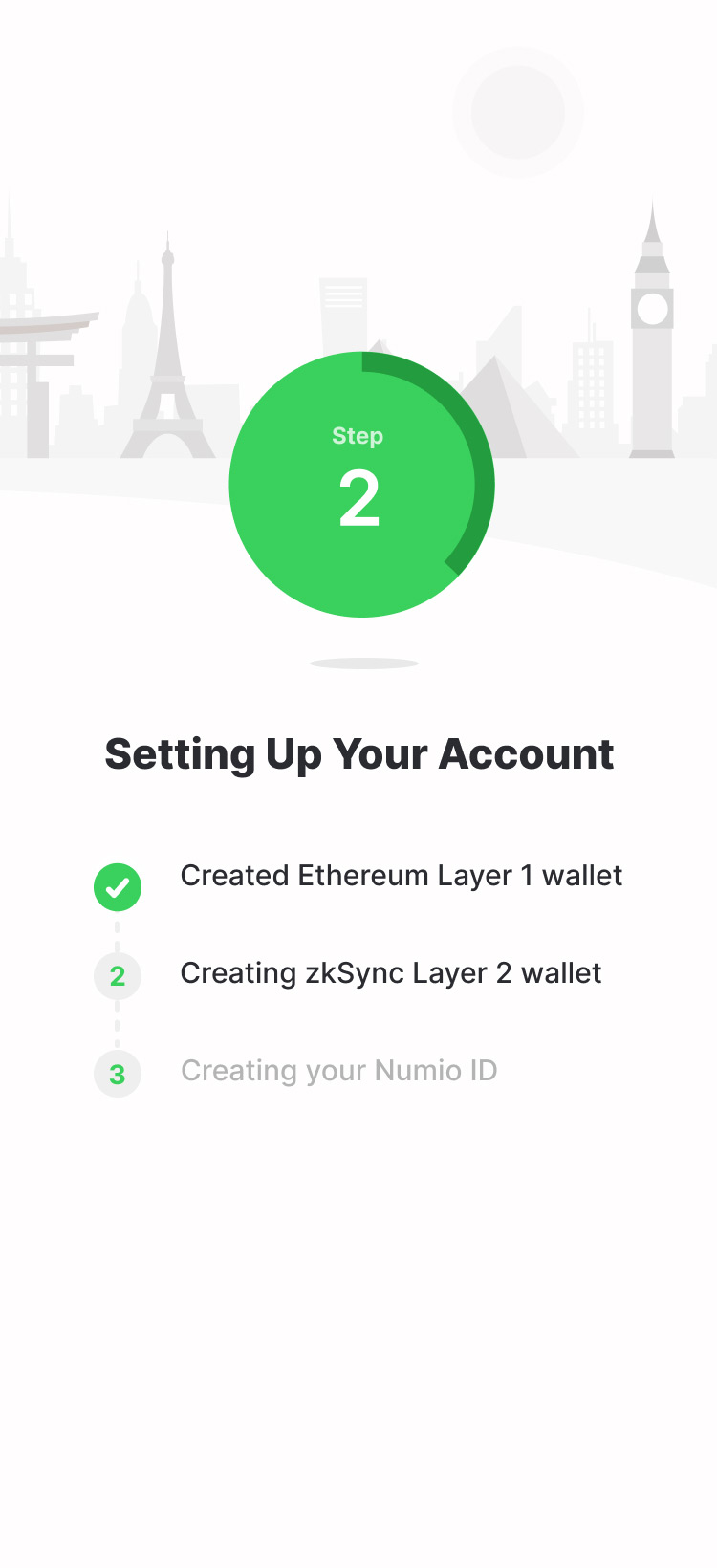
Onboarding
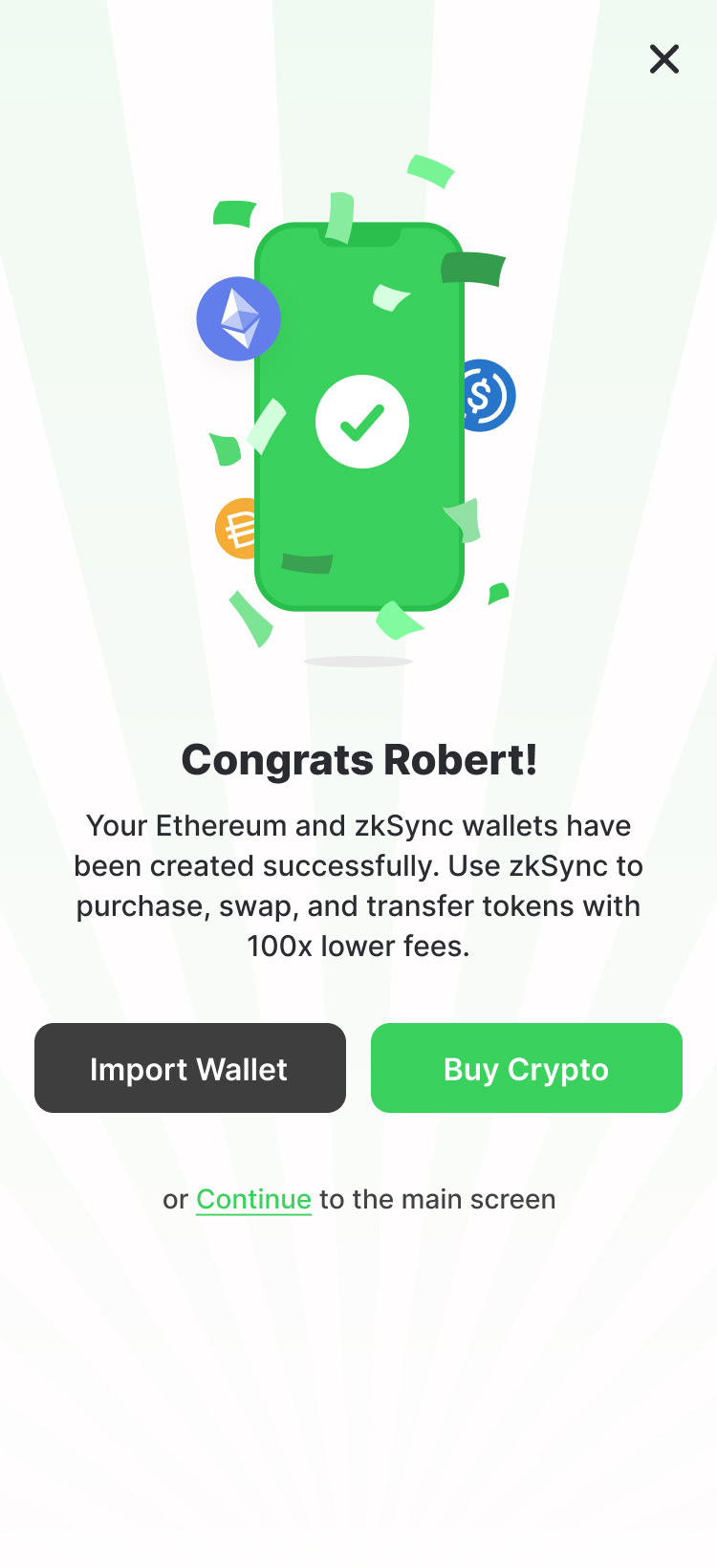
The onboarding experience simplified wallet creation while guiding users through secure backup. Because the wallet was non-custodial, I designed backup flows supporting iCloud (iOS) and Google (Android), allowing users to choose between keyless backups and manual seed phrase storage. The flow combined onboarding, recovery, and identity verification into a progressive sequence that reduced friction while maintaining security.

Wallets
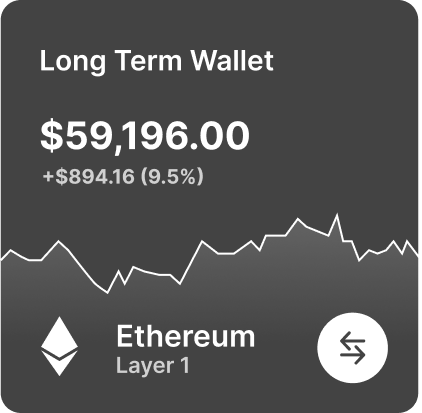
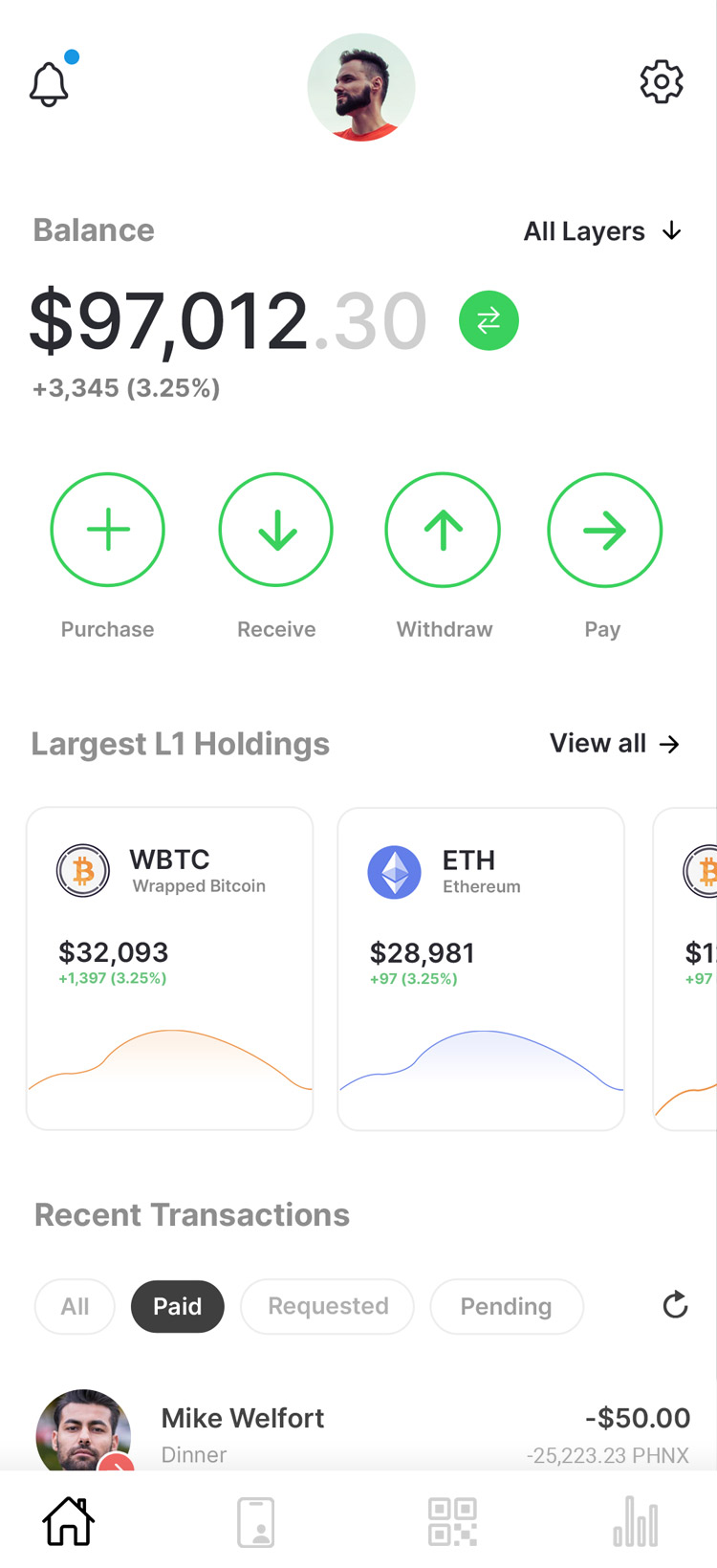
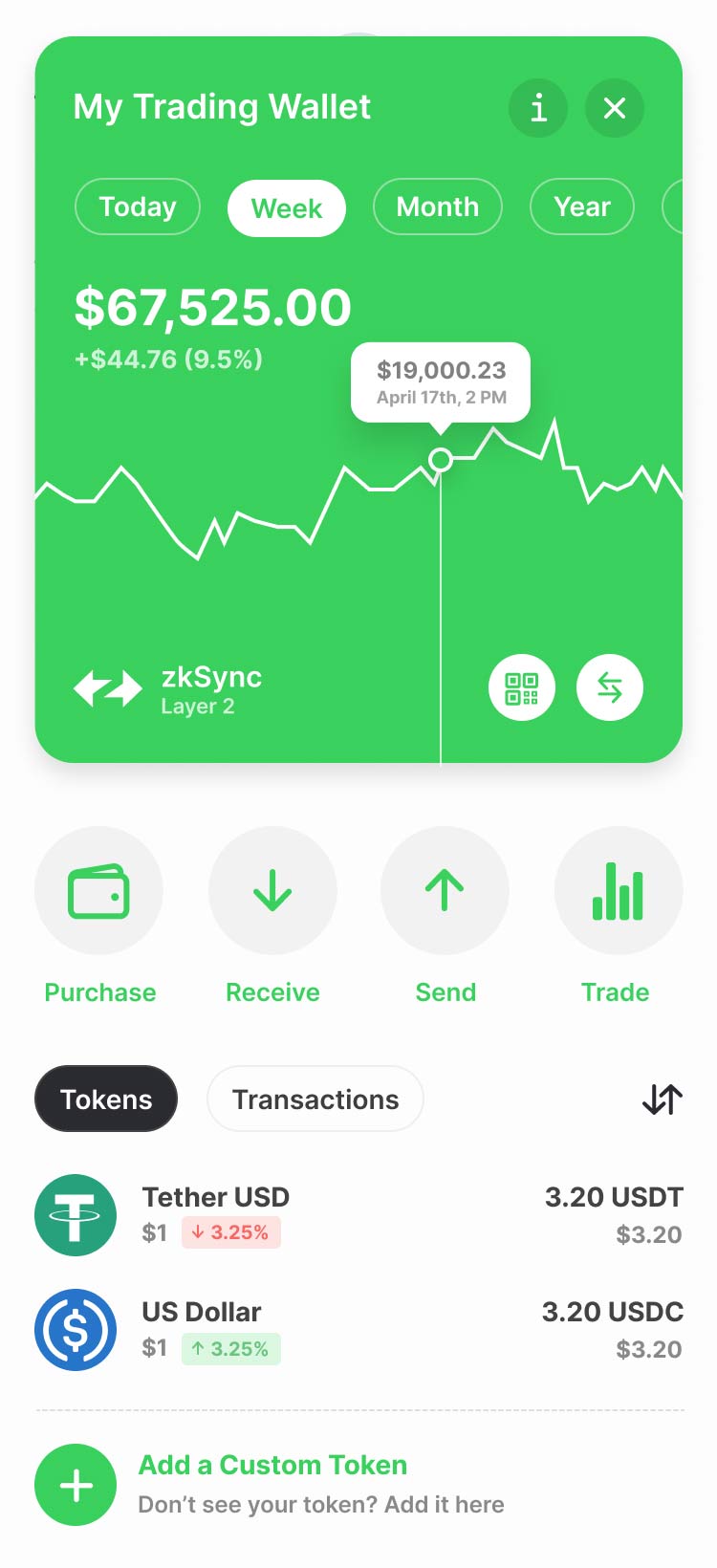
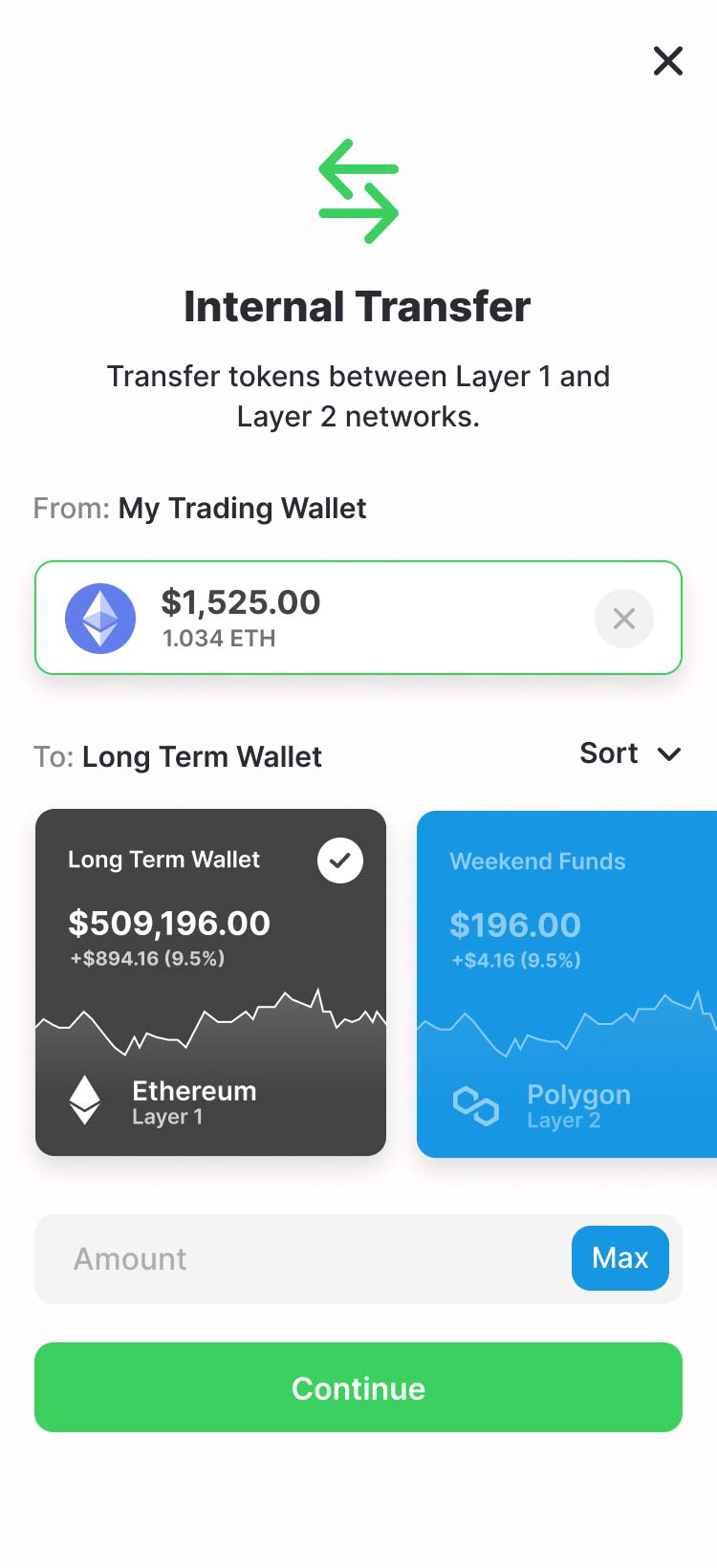
The dashboard served as the central hub, providing a clear overview of balances, assets, and activity with quick navigation between wallets and tokens. Visual indicators clarified protocol (Ethereum, zkSync) and network layer (Layer 1 vs Layer 2), while quick actions enabled swaps and transfers.

NFTs
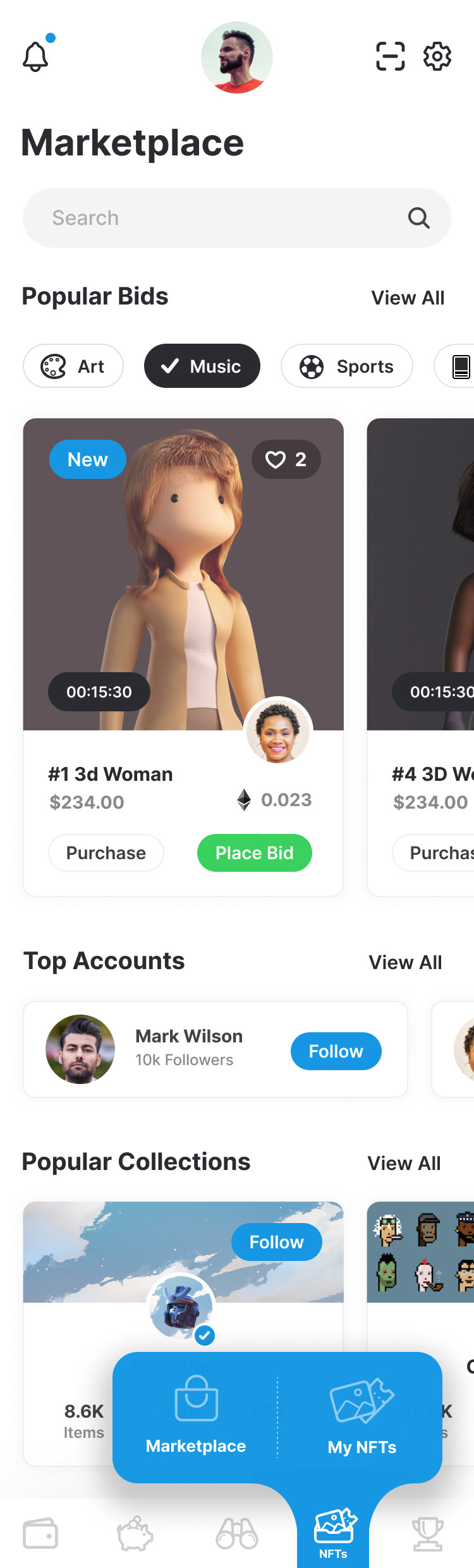
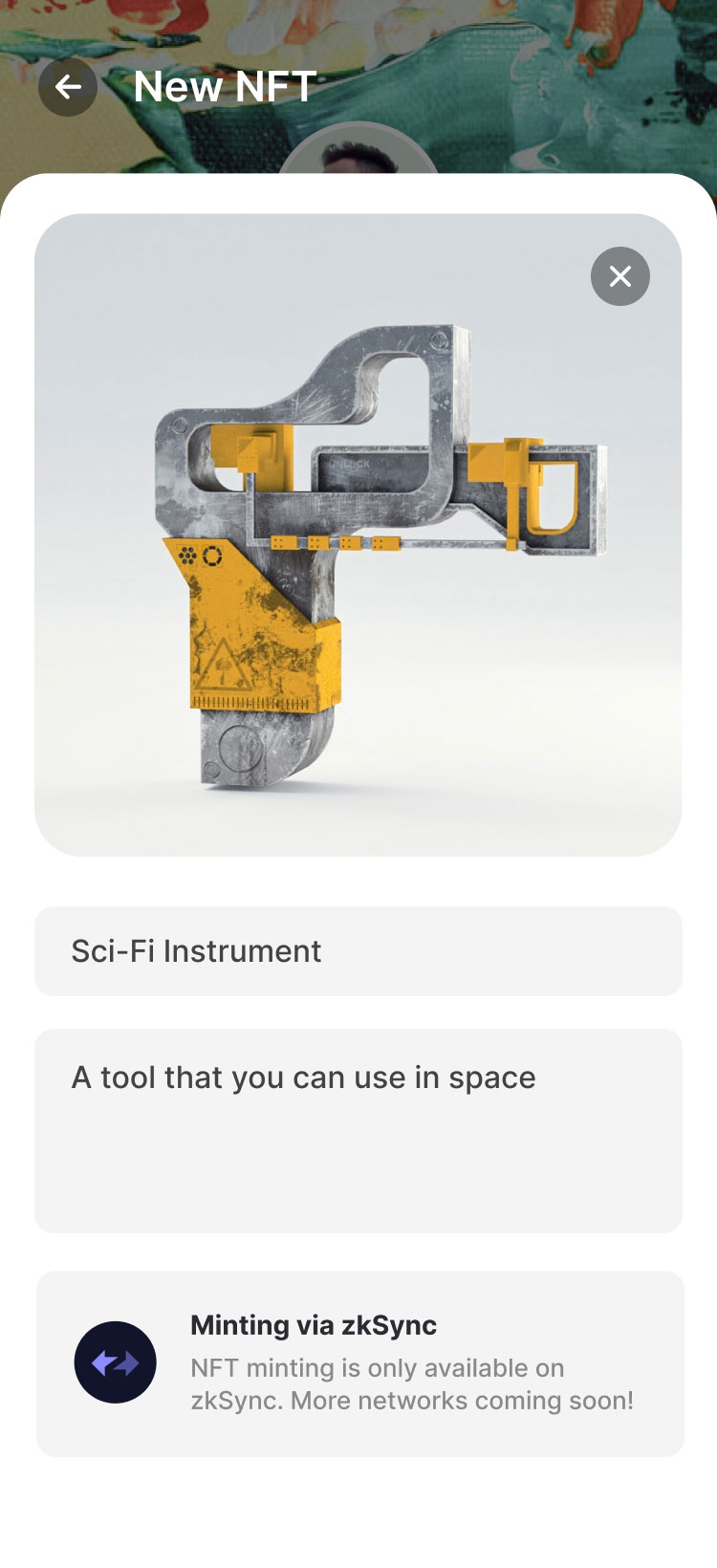
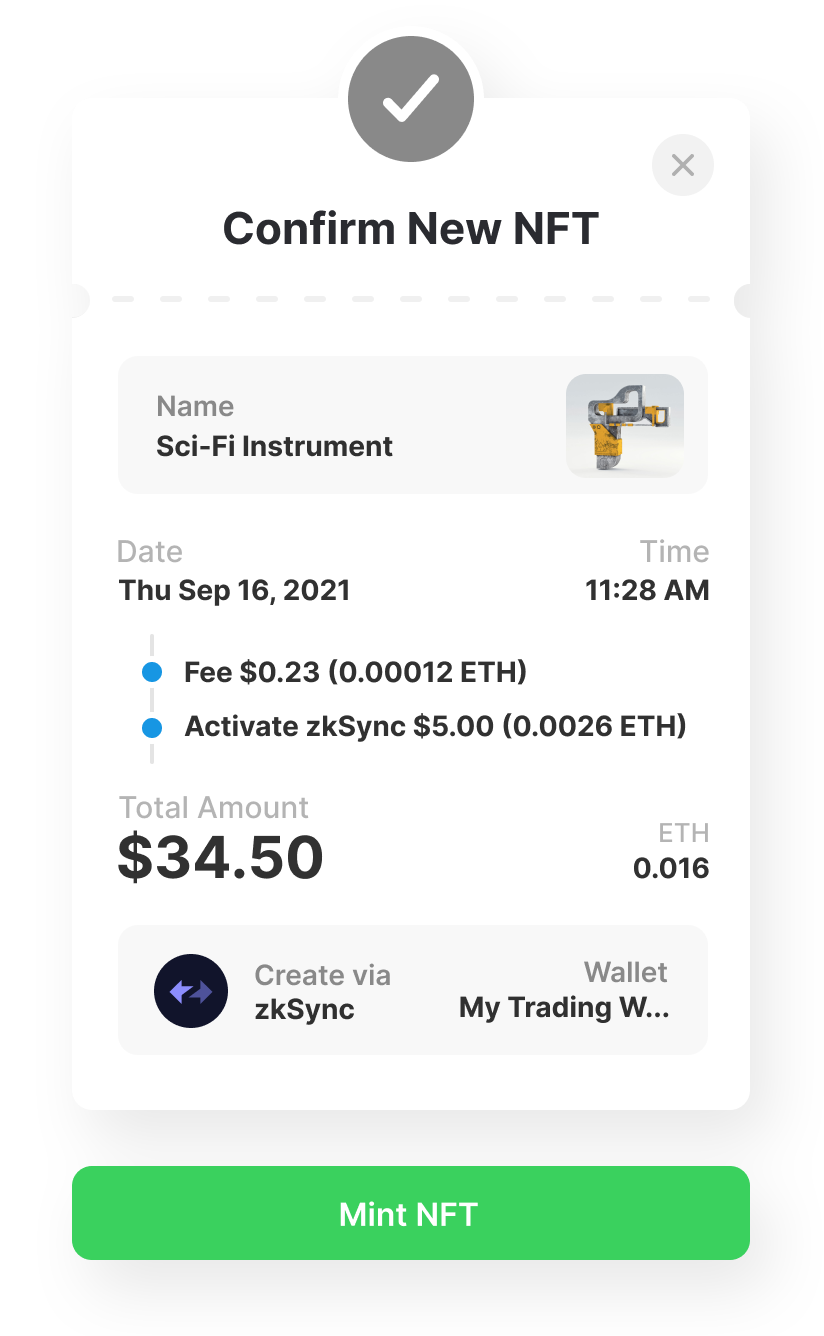
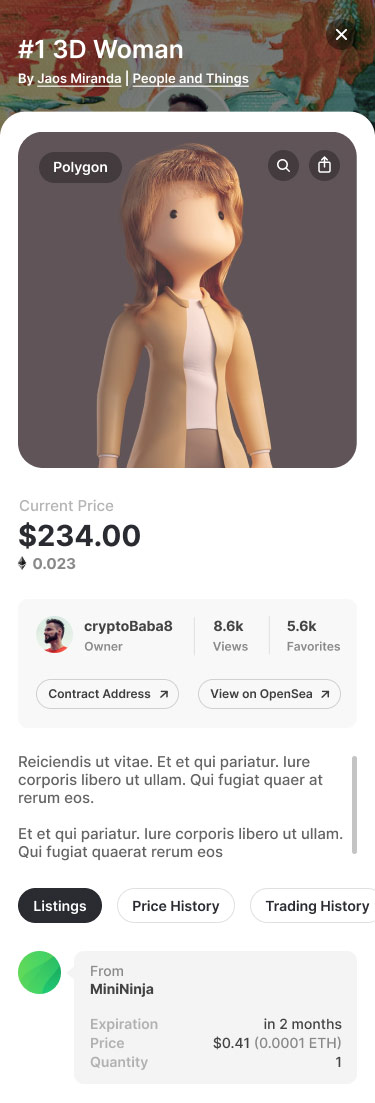
As NFTs grew in popularity, support was added directly within the wallet. Users could view NFTs in a gallery layout, inspect metadata, and create new NFTs by uploading images powered by the zkSync protocol.
Mint NFTs
The minting flow enables users to create NFTs directly in-app using the zkSync protocol.
Detailed View
A full-screen NFT view enables swipe navigation between assets, with access to key details like history, offers, and trades.

Trading and Swaps
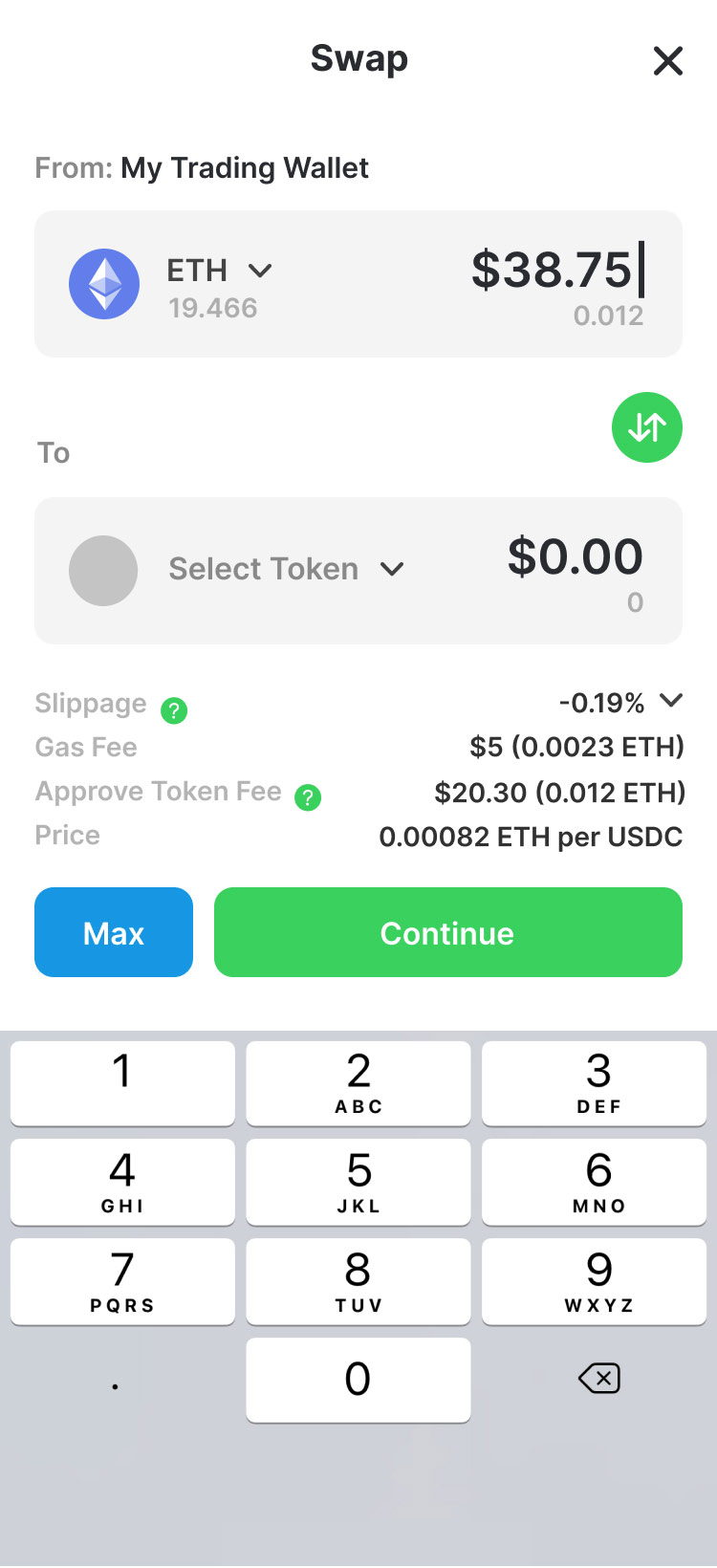
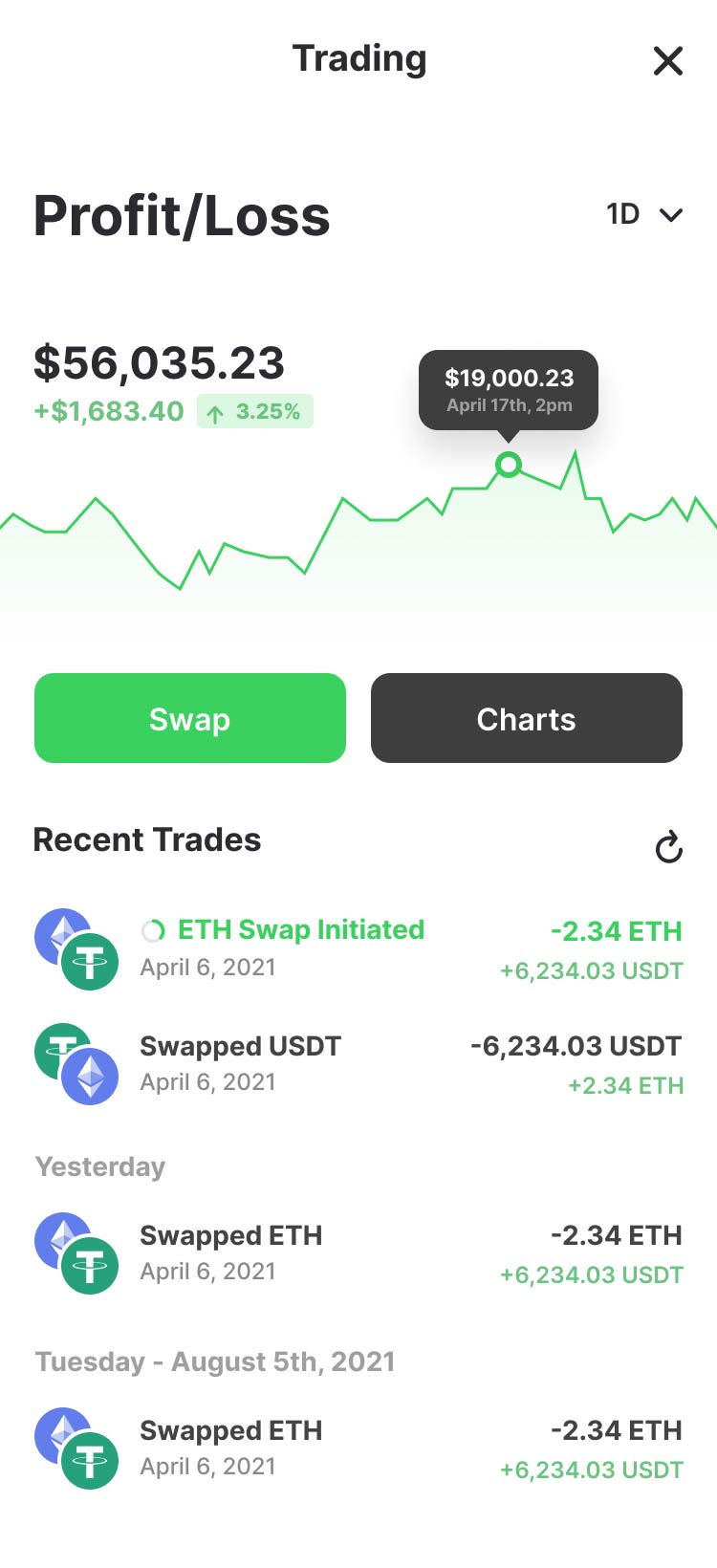
Numio supported both Layer 1 and Layer 2 trading, allowing users to swap between 300+ tokens at significantly reduced fees. The trading interface followed familiar industry patterns while introducing contextual education such as one-time explainers for slippage and pricing.

DeFi
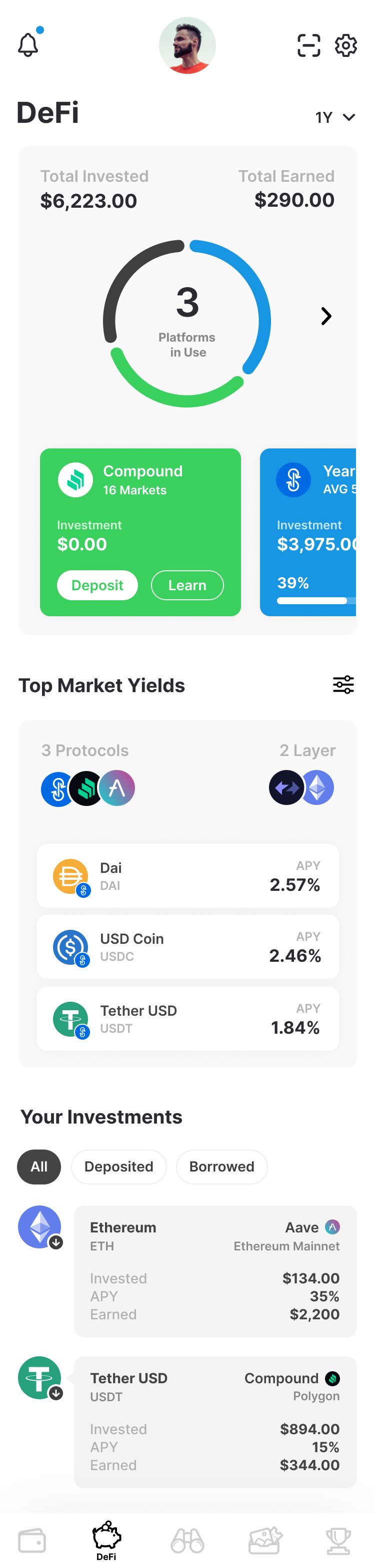
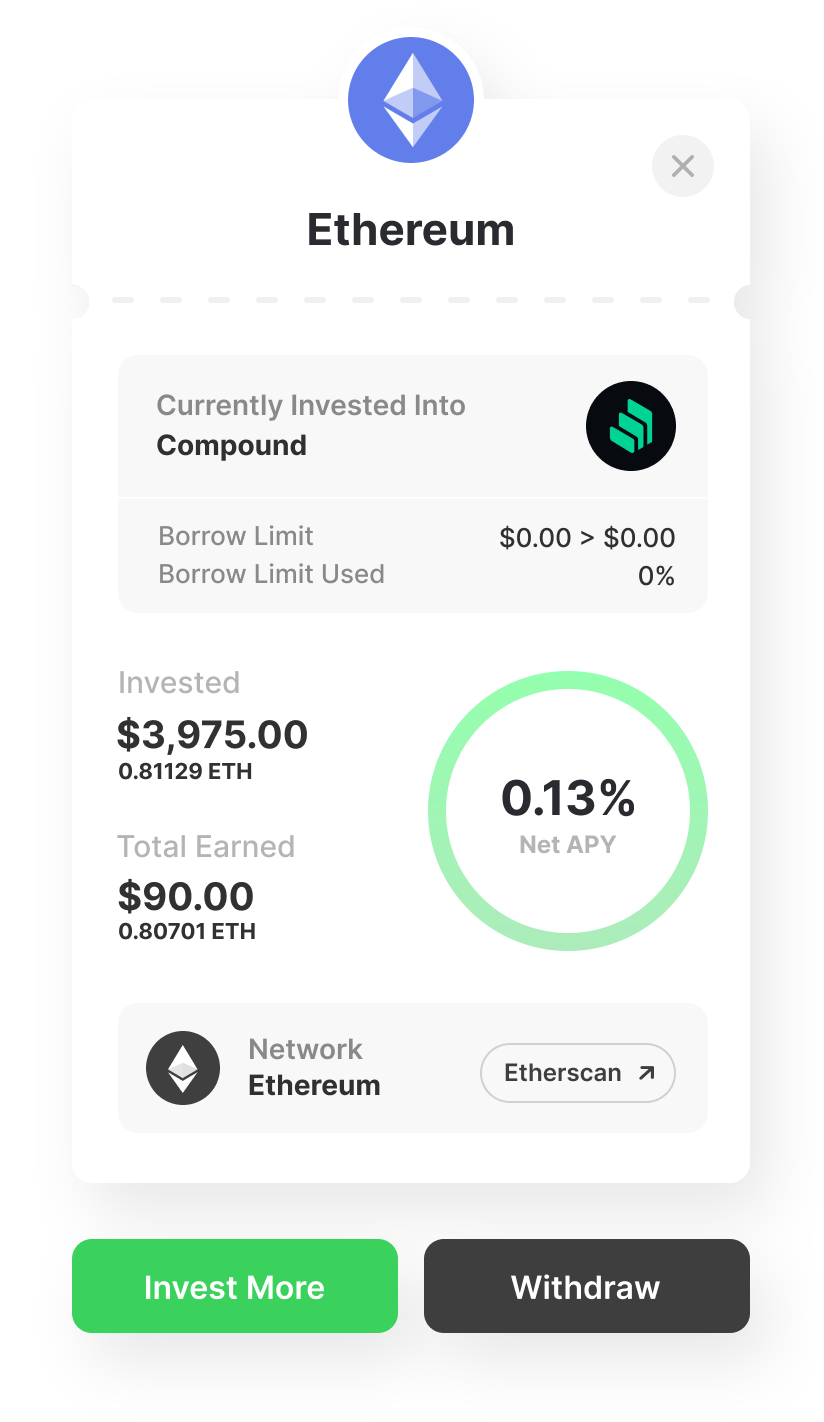
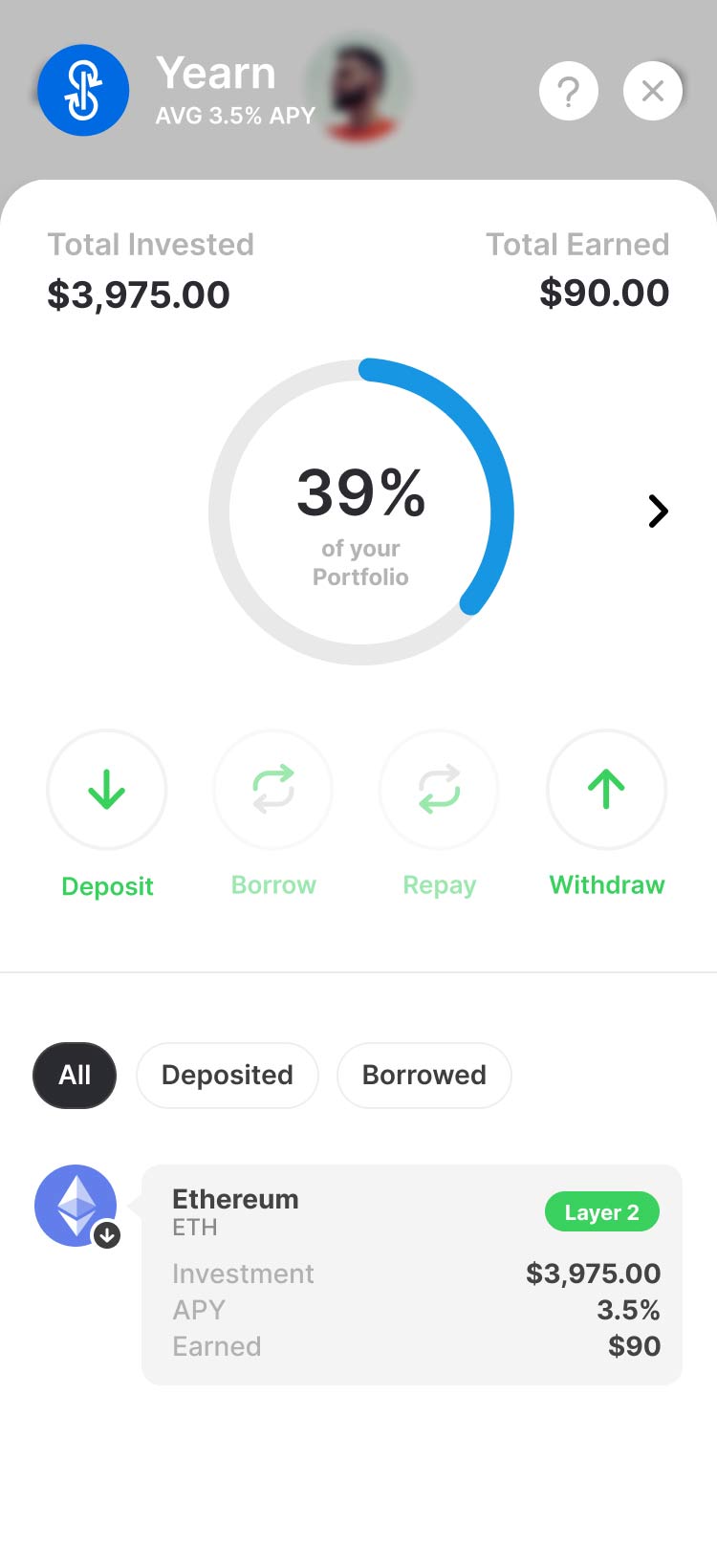
The DeFi experience allowed users to manage investments directly within the wallet. Users could deposit, borrow, and repay loans through Aave while generating yield through Yearn. The interface surfaced active investments, balances, and earned amounts.
Invest and Borrow
The interface surfaces supported platforms and tokens in a clear, structured way, enabling users to invest, borrow, and withdraw with clarity.
Protocol Overview
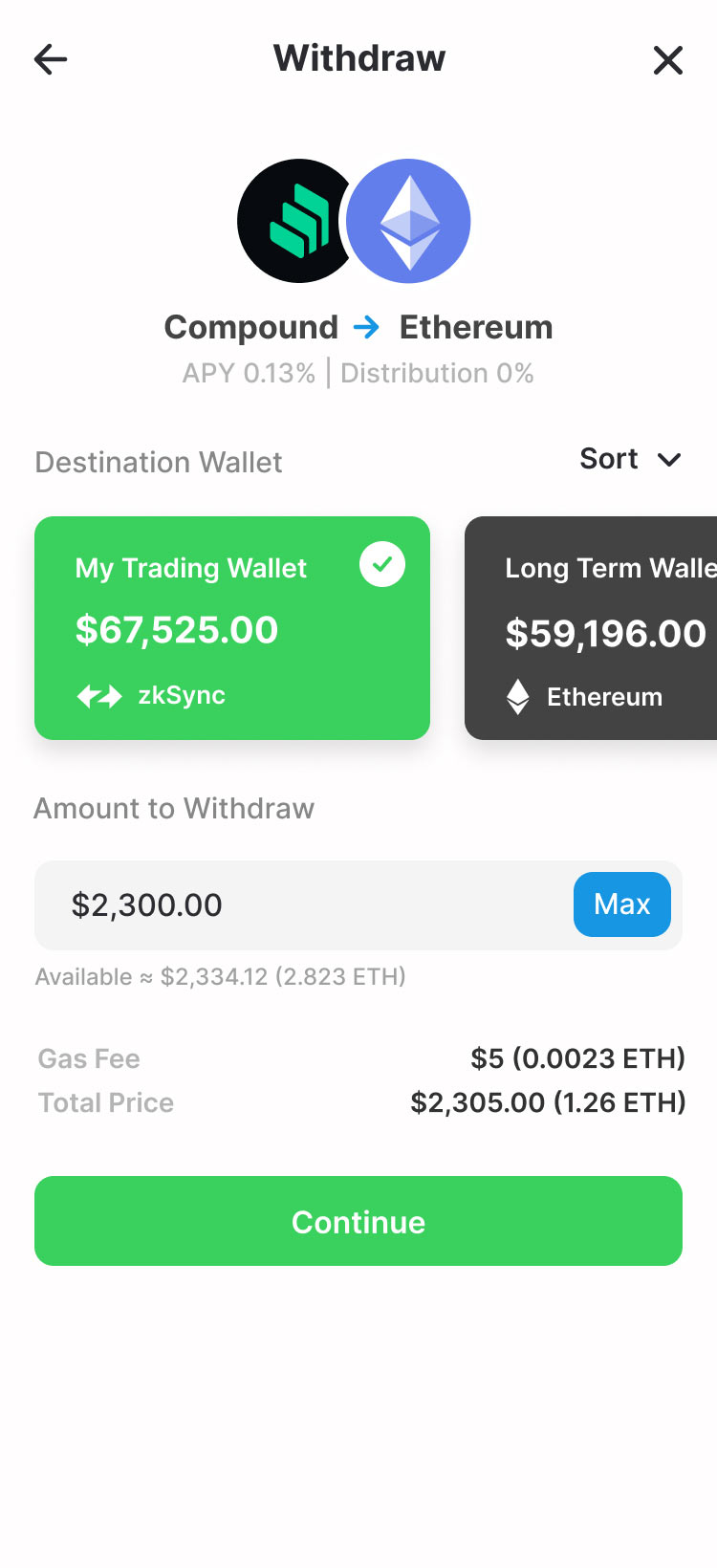
The protocol detail view gives users a clear overview of their position within each platform, including allocation, investment totals, and earnings, with direct controls for depositing, withdrawing, borrowing, and repaying. Tabs help users filter and manage active positions.

Explore
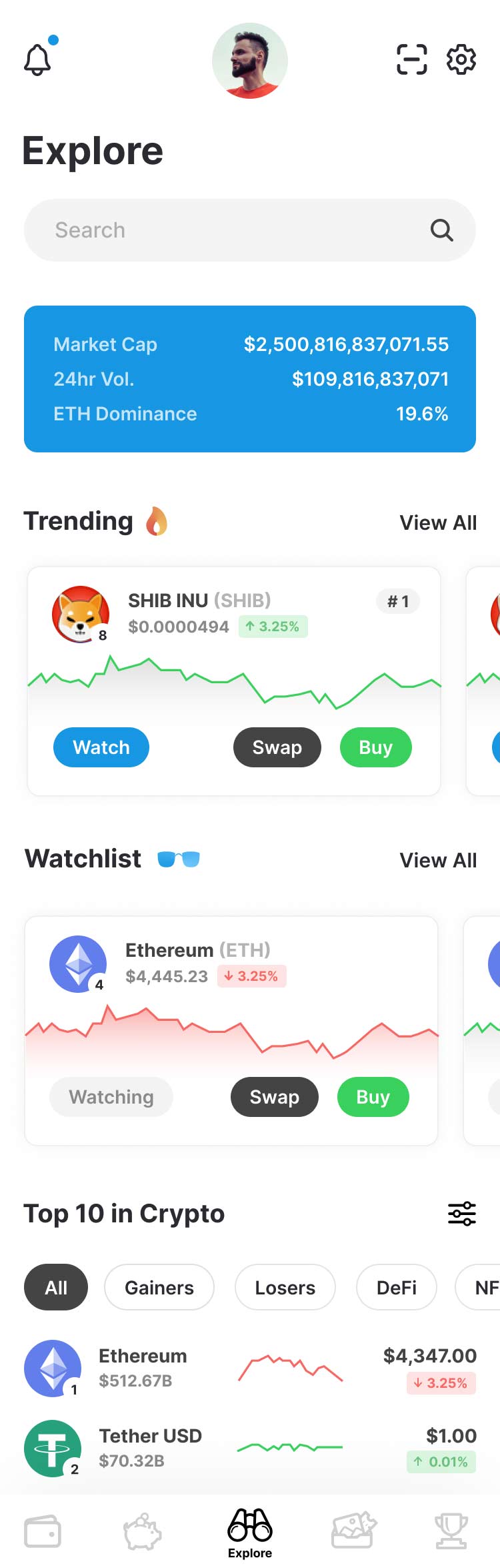
I designed an explore experience to help users discover trading opportunities through trending tokens, gainers, and watchlists, while enabling seamless in-app trading with significantly lower fees.

Rewards
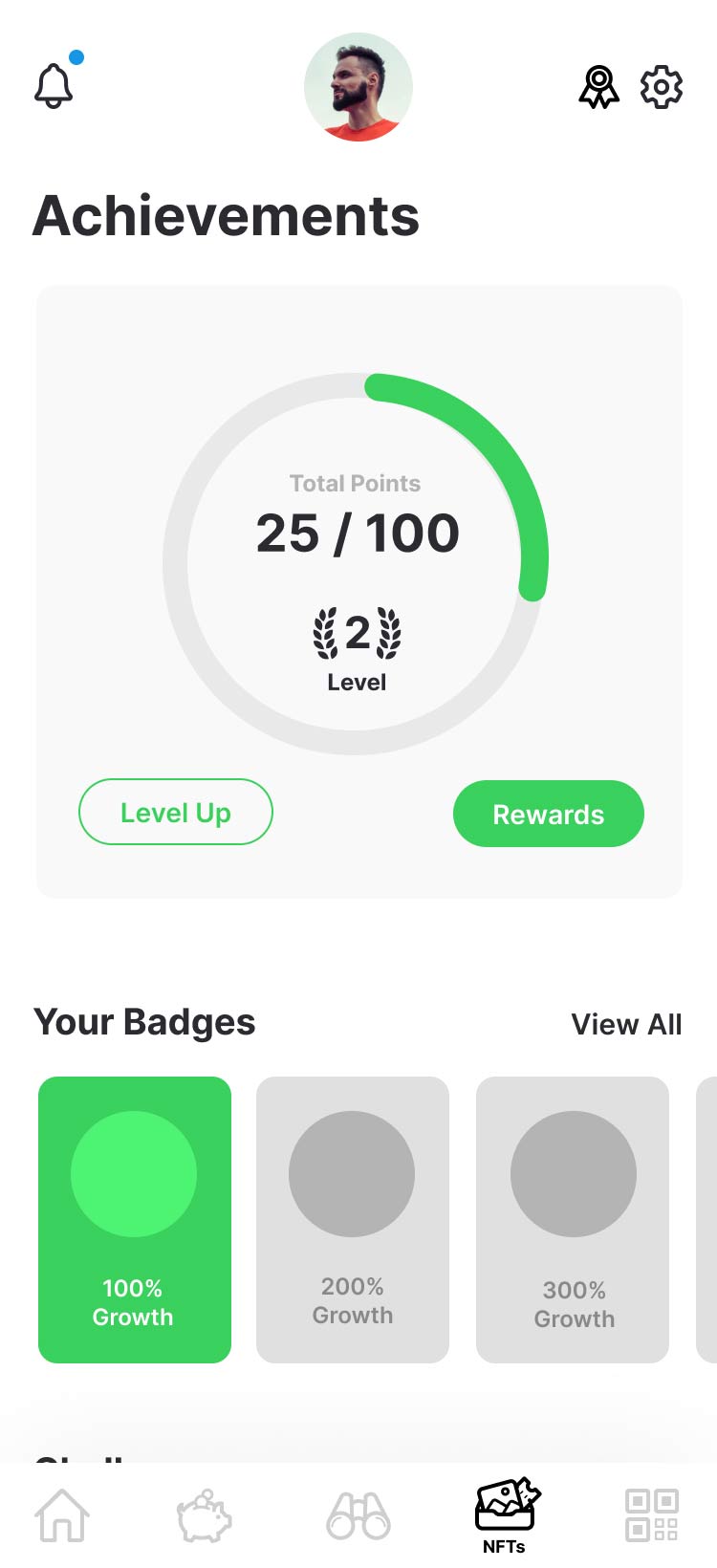
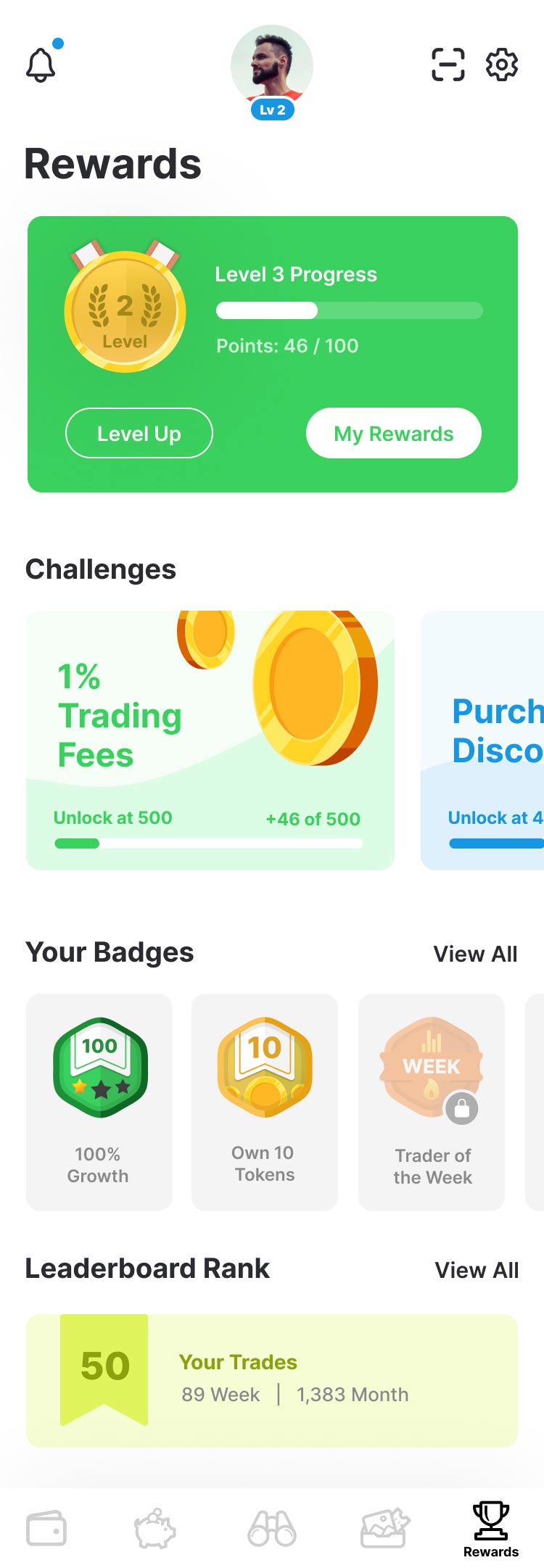
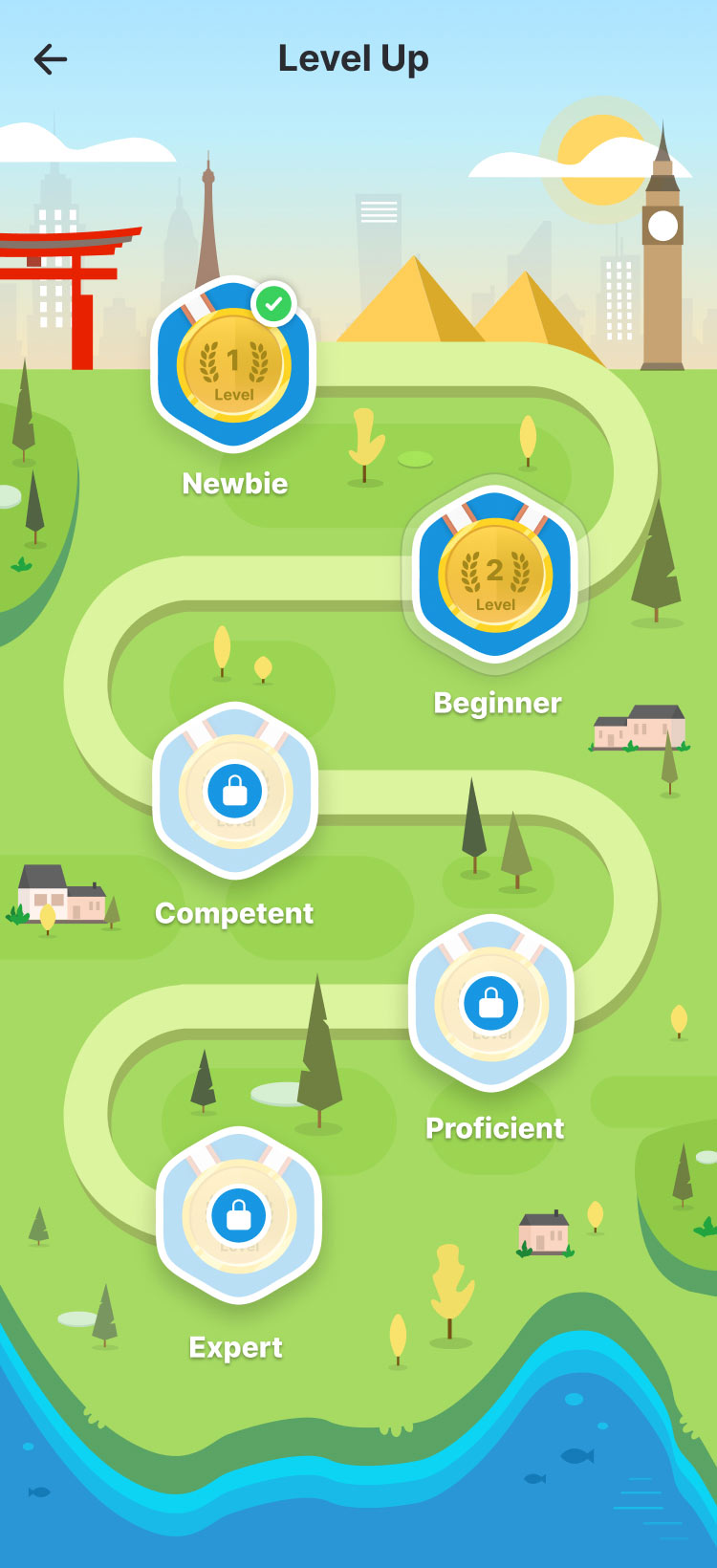
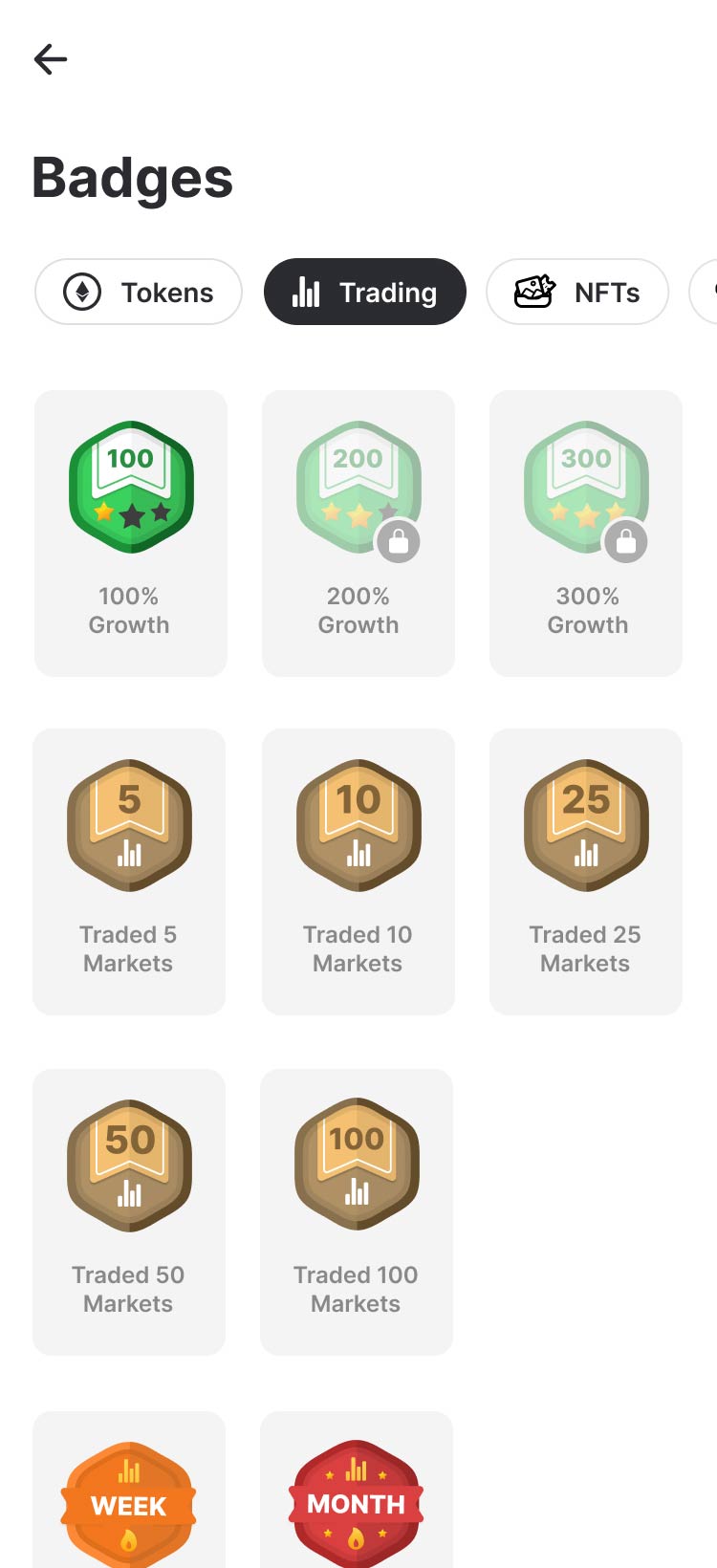
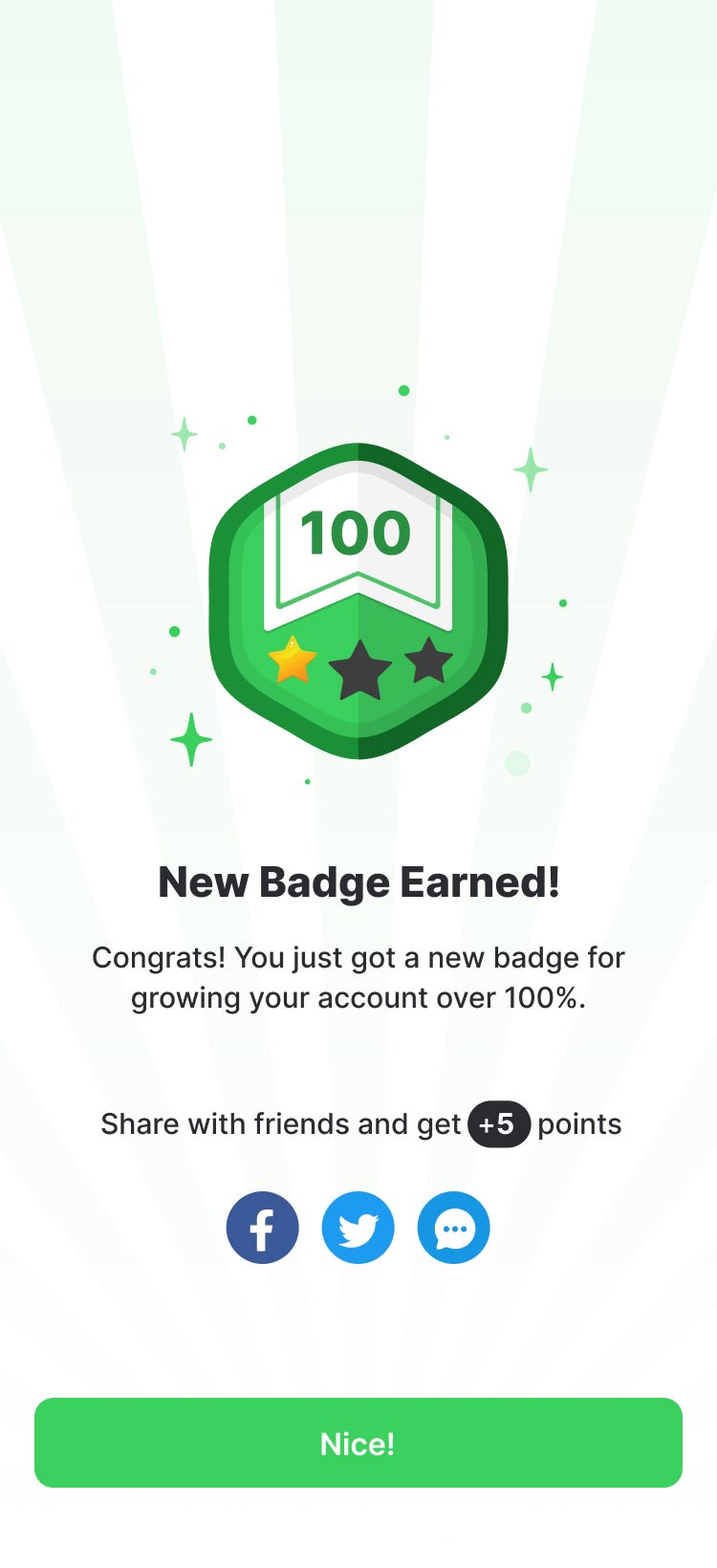
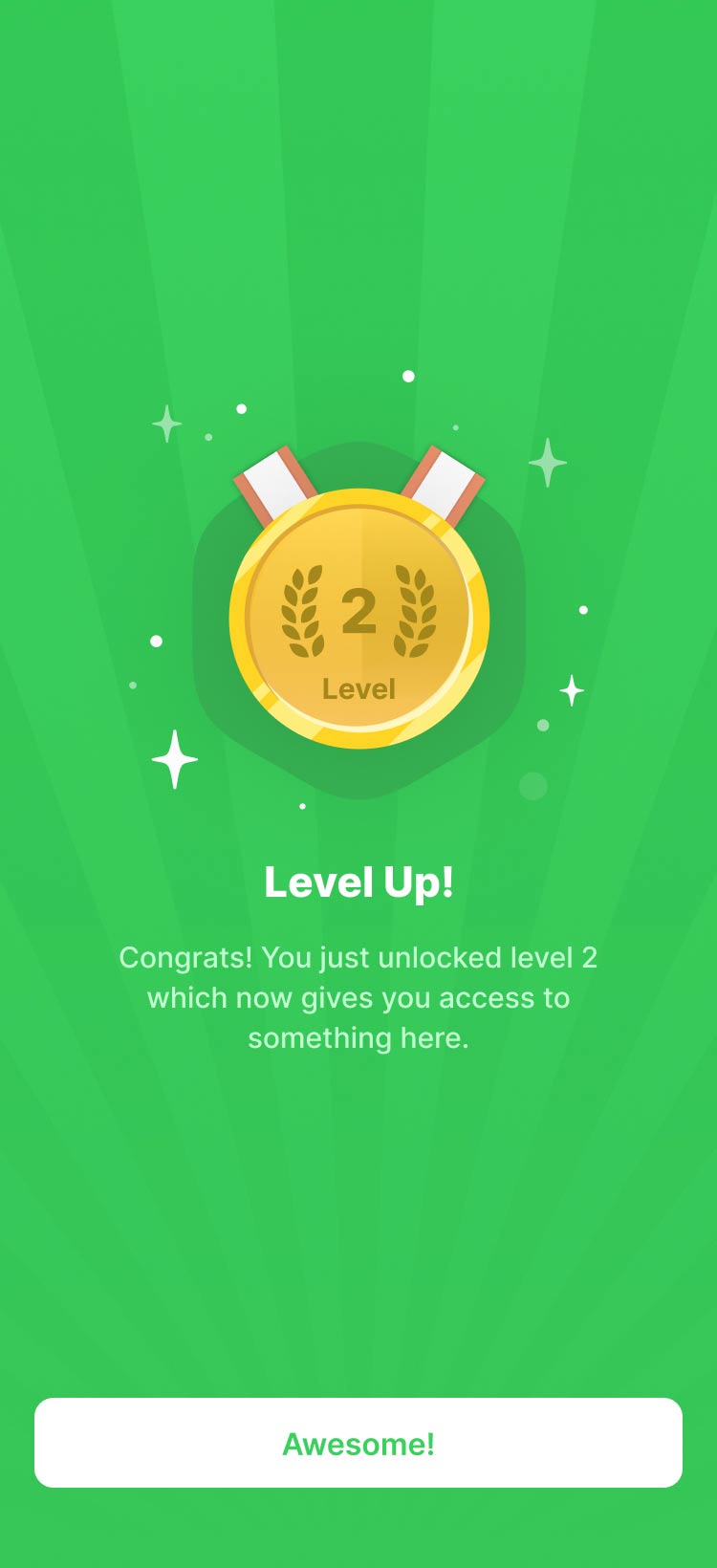
To encourage engagement, I designed a comprehensive gamification system integrated across the app. Users progressed through levels from Newbie to Expert, unlocking rewards such as reduced trading fees and recognition. Custom badges were awarded for milestones.
Level Up
A board-style progression screen visualizes user levels, allowing users to advance from Newbie to Expert while unlocking rewards along the way.
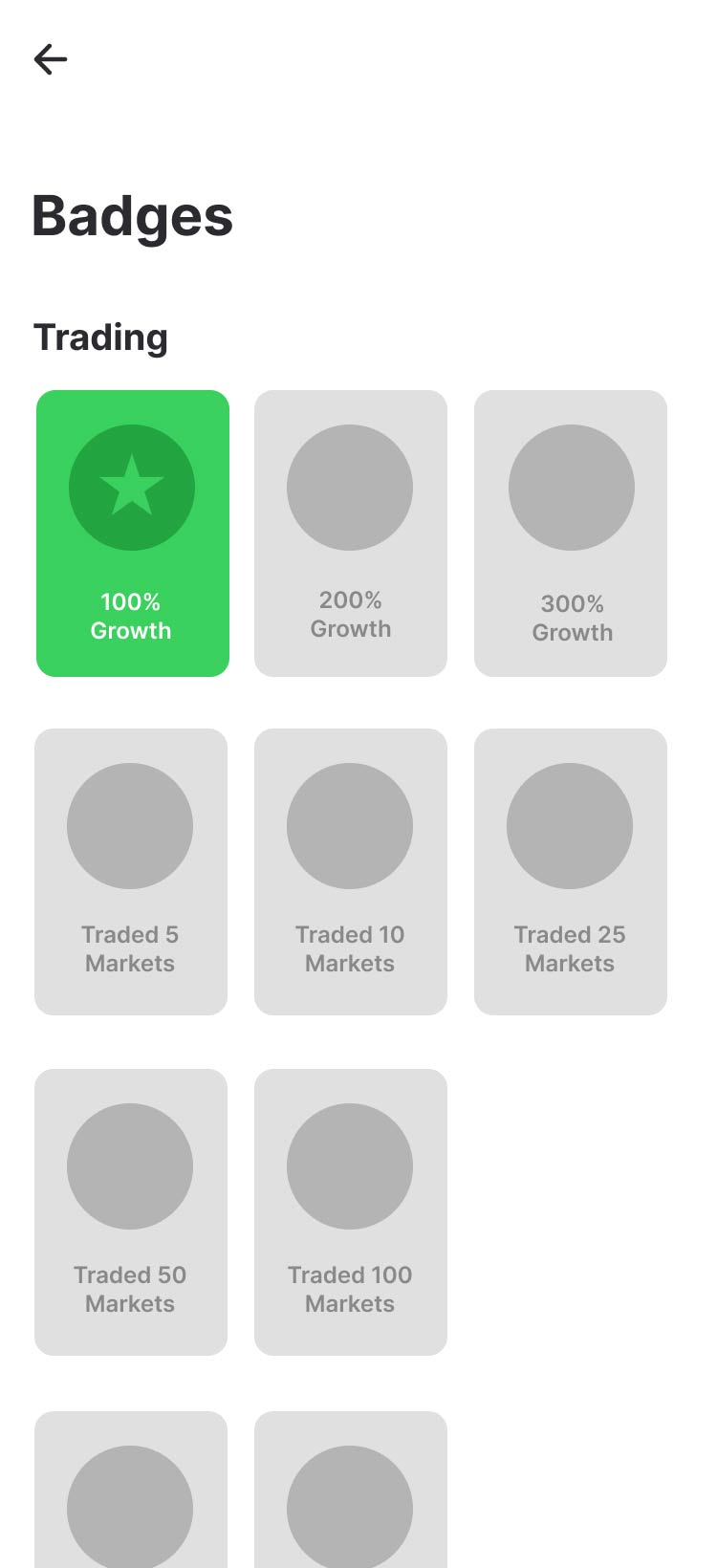
Badges
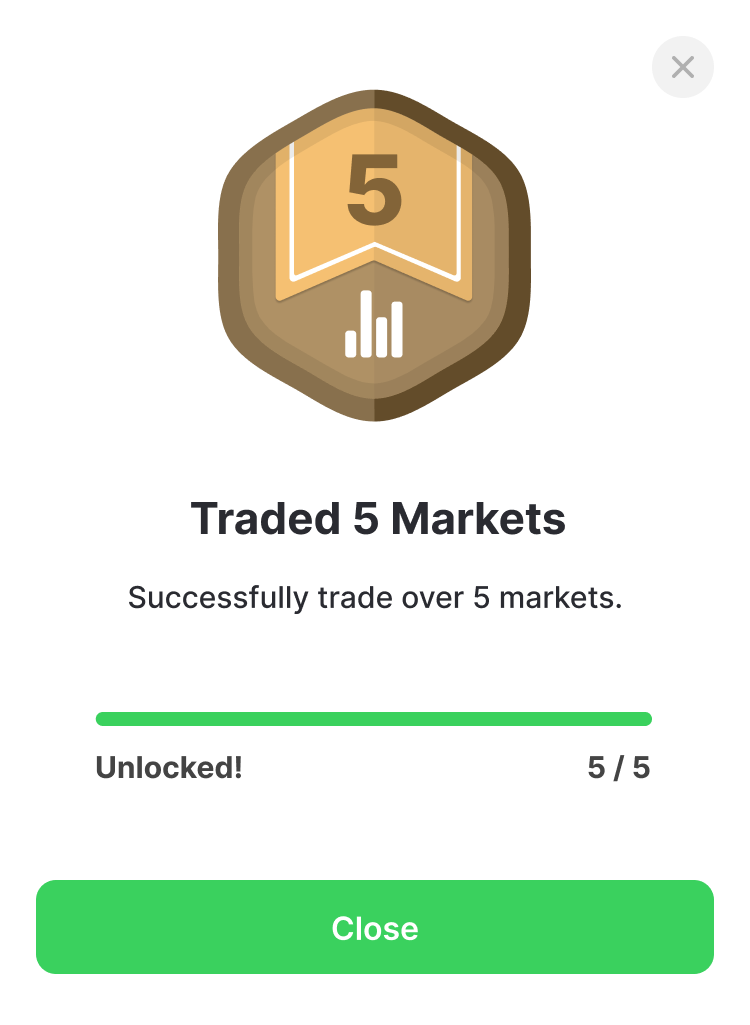
This screen showcases all available badges, providing clear progress indicators and requirements to help users understand how to unlock each one.
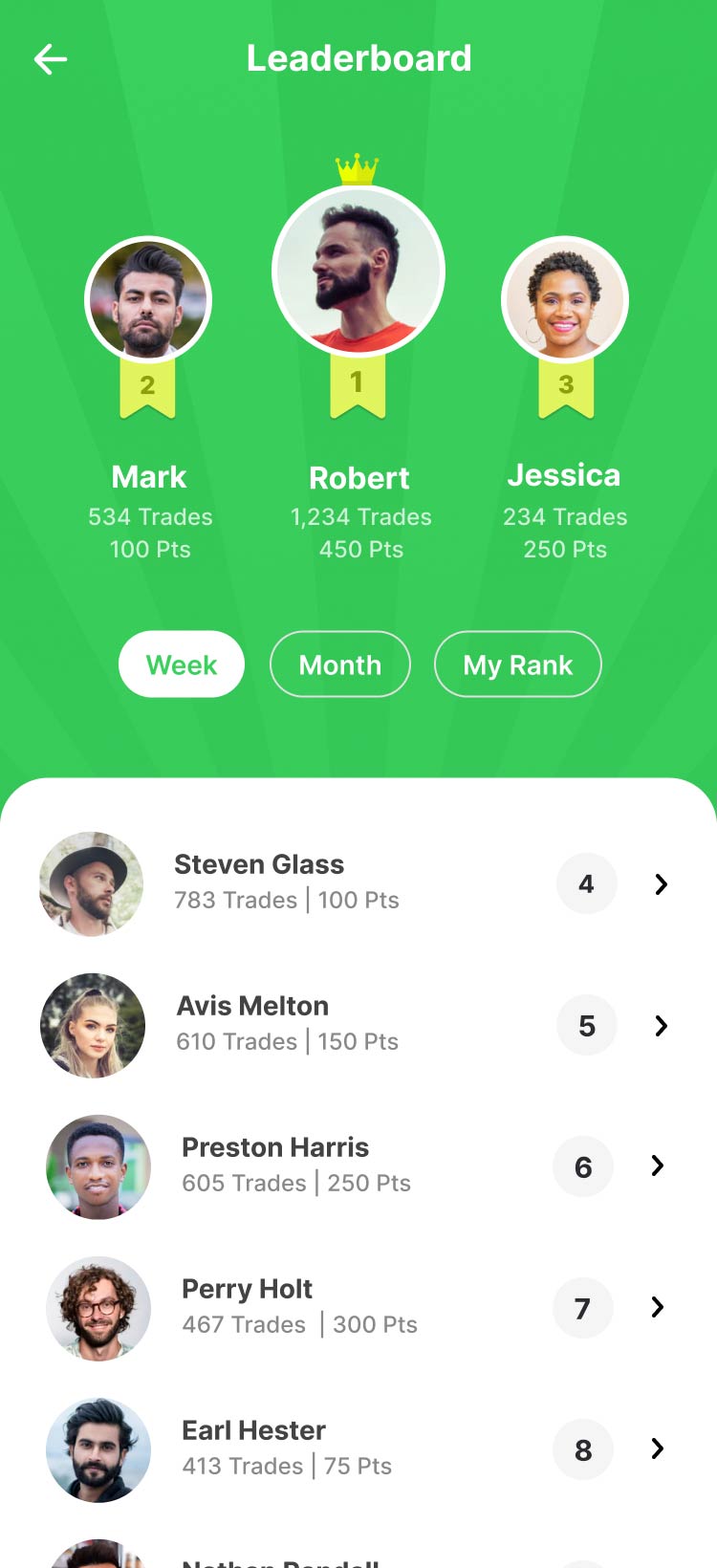
Leaderboard
Users could track their ranking and see how they compare against the broader Numio community.
Notifications
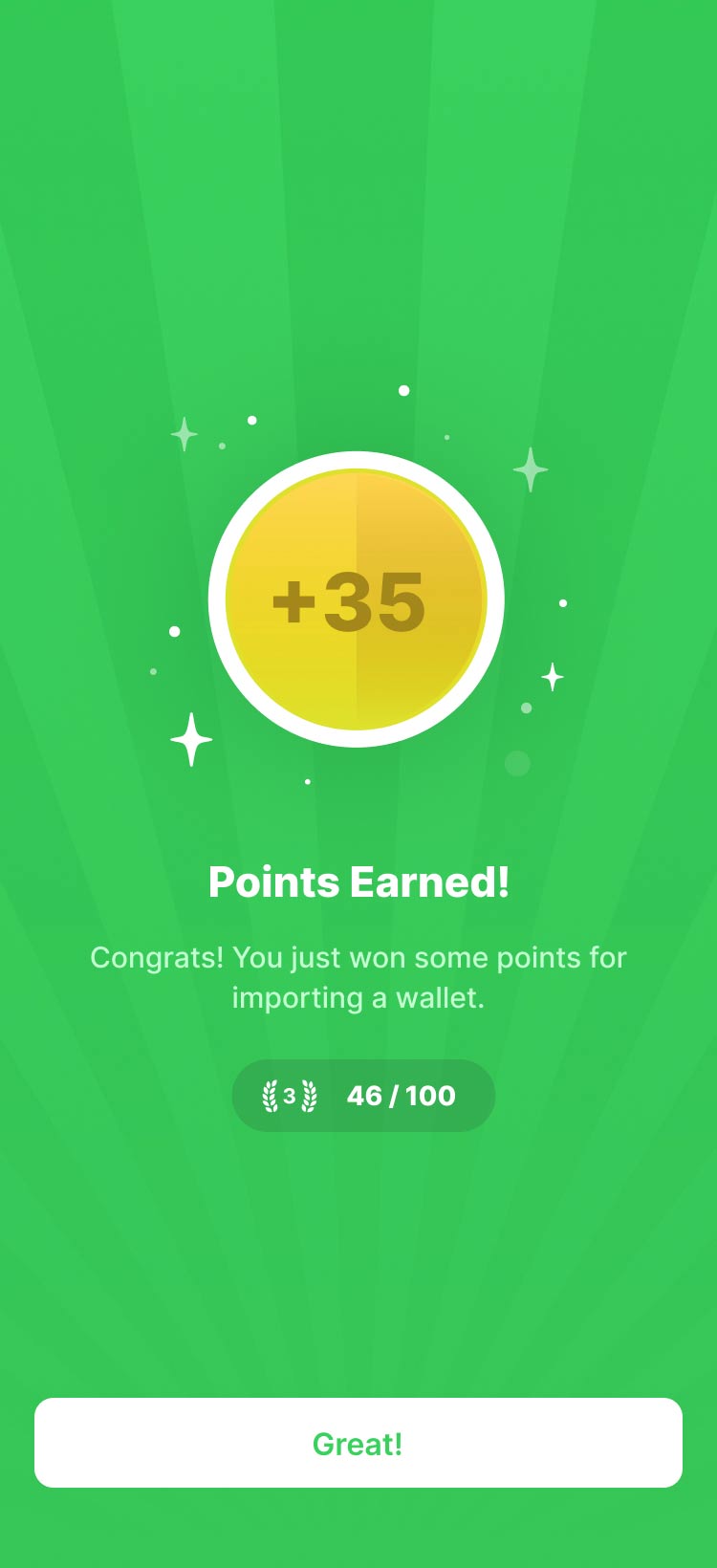
Short, clear notifications highlight user achievements, while optional social sharing encourages engagement and helps expand the user base.
Website Design
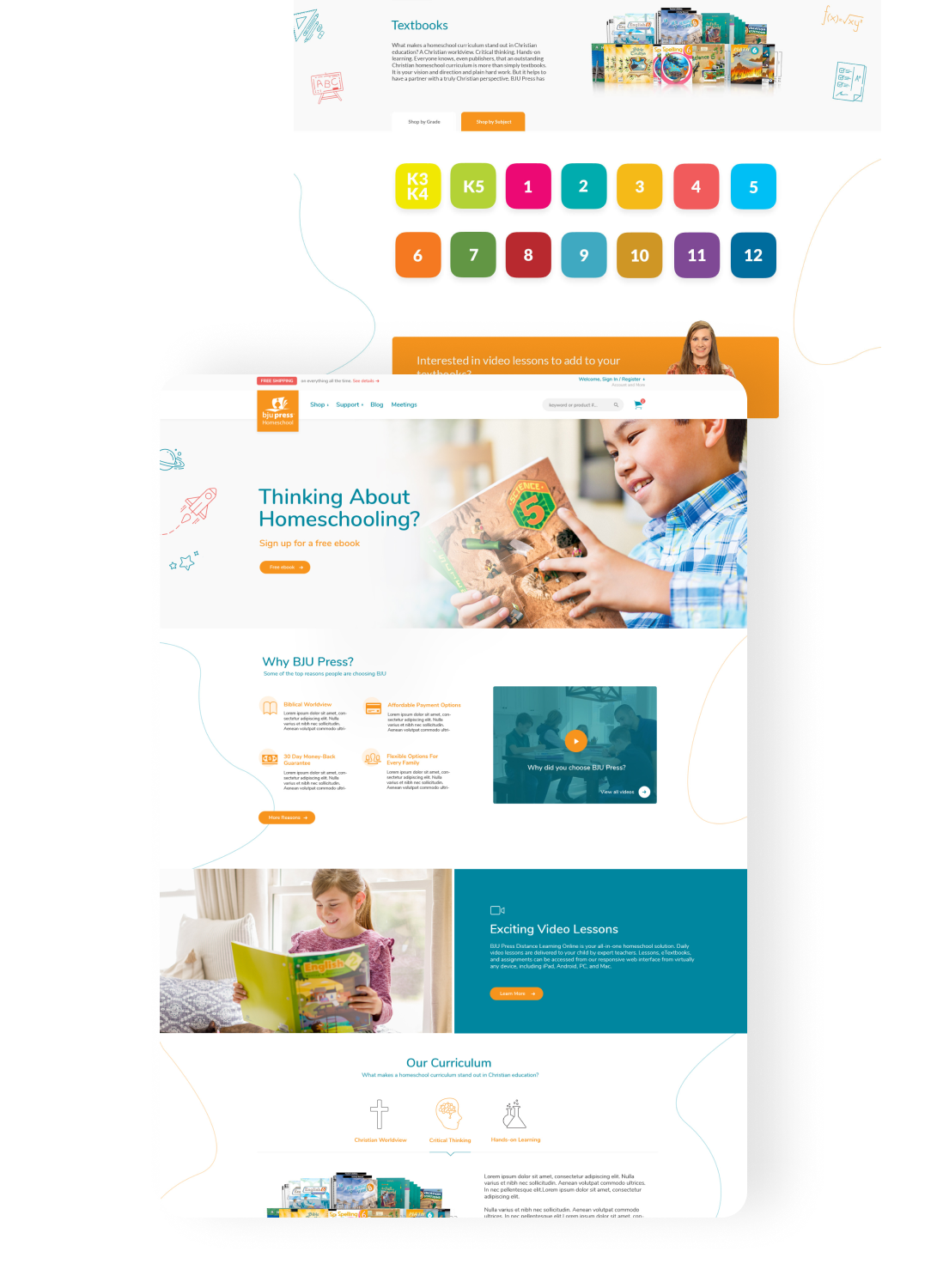
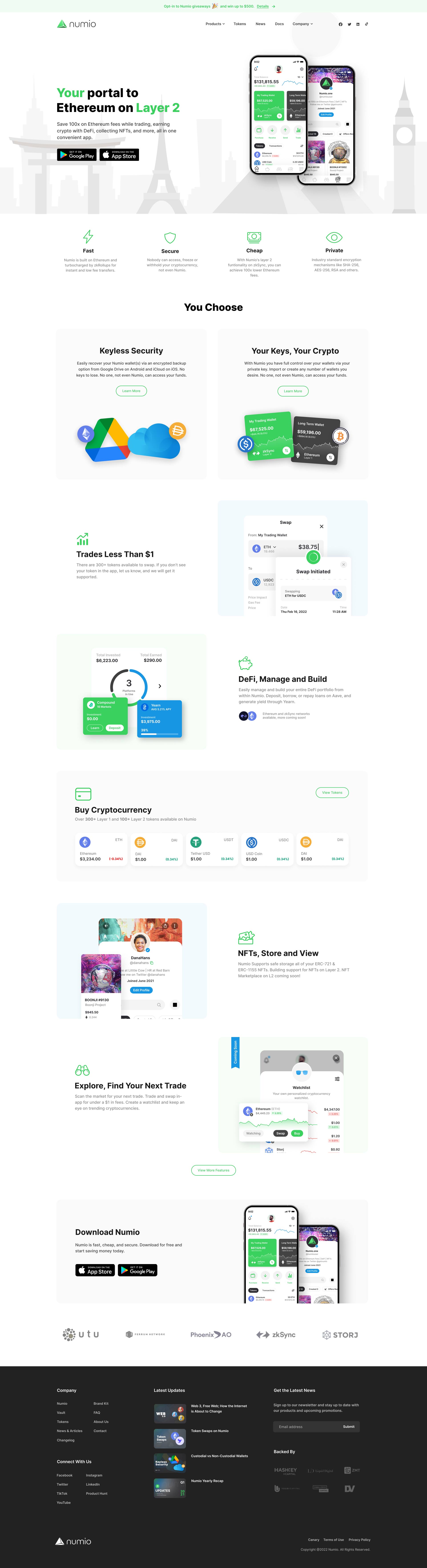
In addition to the mobile product, I designed the company website to communicate product capabilities and onboard new users. The site was designed in Figma and I implemented it using WordPress, Elementor, and custom PHP and JavaScript. The layout focused on clear product messaging, feature explanations, and conversion-focused onboarding flows.
Feedback
"After listening to Mark on Crypto Current I decided to try this app and yes I like it very much"
"Fiat to layer 2 crypto 'on ramp' that too from phone is such a useful and much needed feature. I am excited to see the defi products that you will come out with soon!"
"Numio is an Great App. By this App you send funds to others without fees. You don't have to give high eth fees for sending. Also app interface is very cool. I am satisfied with this App"
"Wow! Numio is really amazing app and very user-friendly and great customer support team! I will definitely recommend this to my friends, more power numio team!"
"Great app and so easy to use, the use of layer 2 protocol dramatically reduces the gas fees! Crypto need this!"
"You can send funds to others without high ETH fees. The app interface is very cool."
"Great start! Keep building the best crypto wallet 😉."
Impact
Numio launched as a fully featured crypto wallet on both iOS and Android, enabling users to interact with the Ethereum ecosystem more efficiently through Layer 2 scaling. Through continuous design iteration and close collaboration with engineering and product, it matured into a robust mobile experience that reached:




Takeaways
Designing a Web3 wallet required translating highly technical blockchain concepts into user-friendly mobile interfaces. Here are the three most important things I took from it:
financial products
effectively
adoption realities
Improvements
Numio solved core usability problems for a Layer 2 wallet. Given more time, these are the areas I would prioritize.